Most people book Peru backwards. They fly into Cusco on day one, gasp their way up to Machu Picchu jet-lagged and short of breath, and spend the rest of the trip recovering from the altitude they walked straight into. Then they wonder why the highlight of their life felt like a headache.
I route it the other way. Start low and warm in the Amazon, come up gradually through the Sacred Valley, and save the citadel for when your body has caught up with the mountains. Done in that order, Peru stops being an endurance test and becomes what it should be — three completely different countries stitched together in one trip: rainforest, high-Andean valley, and the most famous ruin on earth.
Here is exactly how I build it, which vessel and which rooms I book, and the one piece of altitude logic that changes the whole trip.
Why start in the Amazon — and which Delfin?
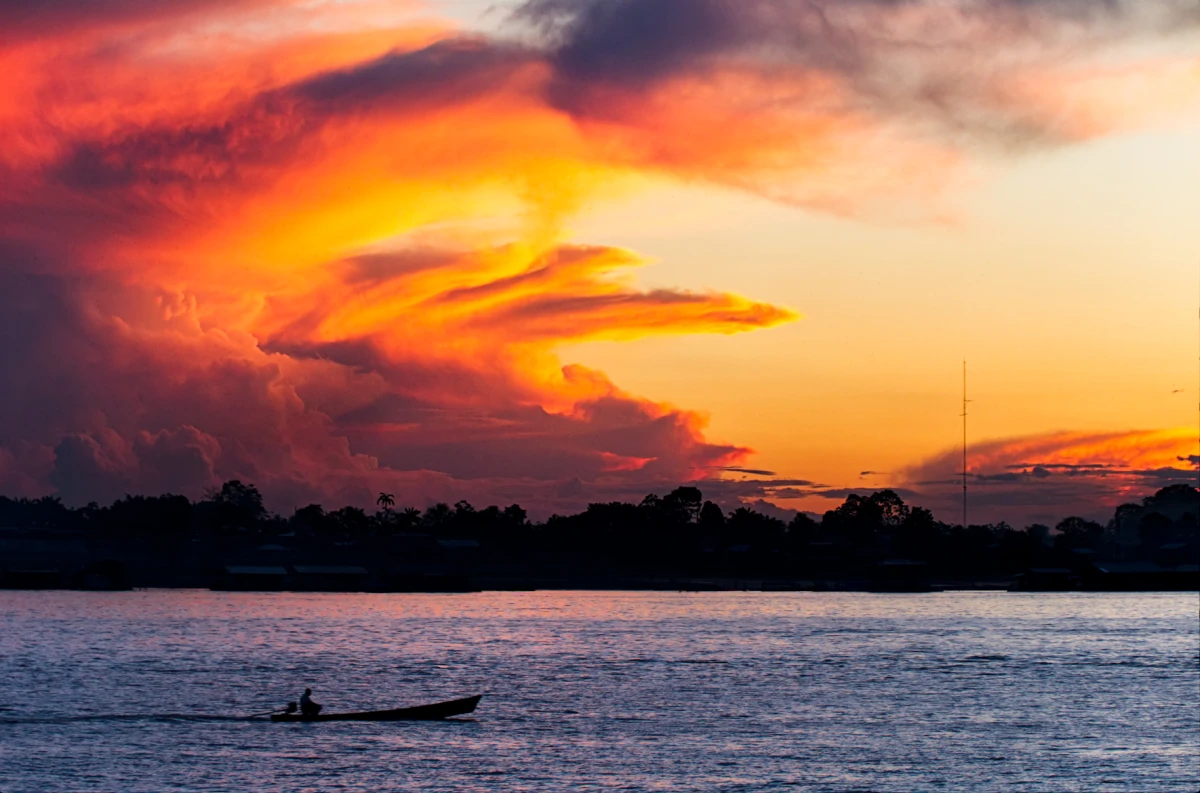
Start in the Amazon because it is the low, easy part of the trip and the part everyone skips. Northern Peru’s rainforest is only reachable by air or water — you fly Lima to Iquitos, then transfer down to the river — and it drops you into the Pacaya-Samiria National Reserve, the largest protected flooded forest in the world. Pink river dolphins, kayaking at first light, piranha fishing at dusk. It is the opposite of a temple queue.
The boat I book is Delfin I. It is the vessel the family behind Delfin built first, reopened in April 2025 after a full renovation, and it carries just four suites — which is the entire point. Ask for one of the two Deluxe Master Suites: each has a private terrace with its own plunge pool, which makes Delfin I the only river vessel in the Amazon that offers one. Rates run from about $5,400 per person for the three-night sailing, all excursions, meals, and the reserve fee included. Three nights is the sweet spot — long enough to get deep into the flooded forest, short enough to keep the trip moving.
Why do I send people to the Sacred Valley before Cusco?
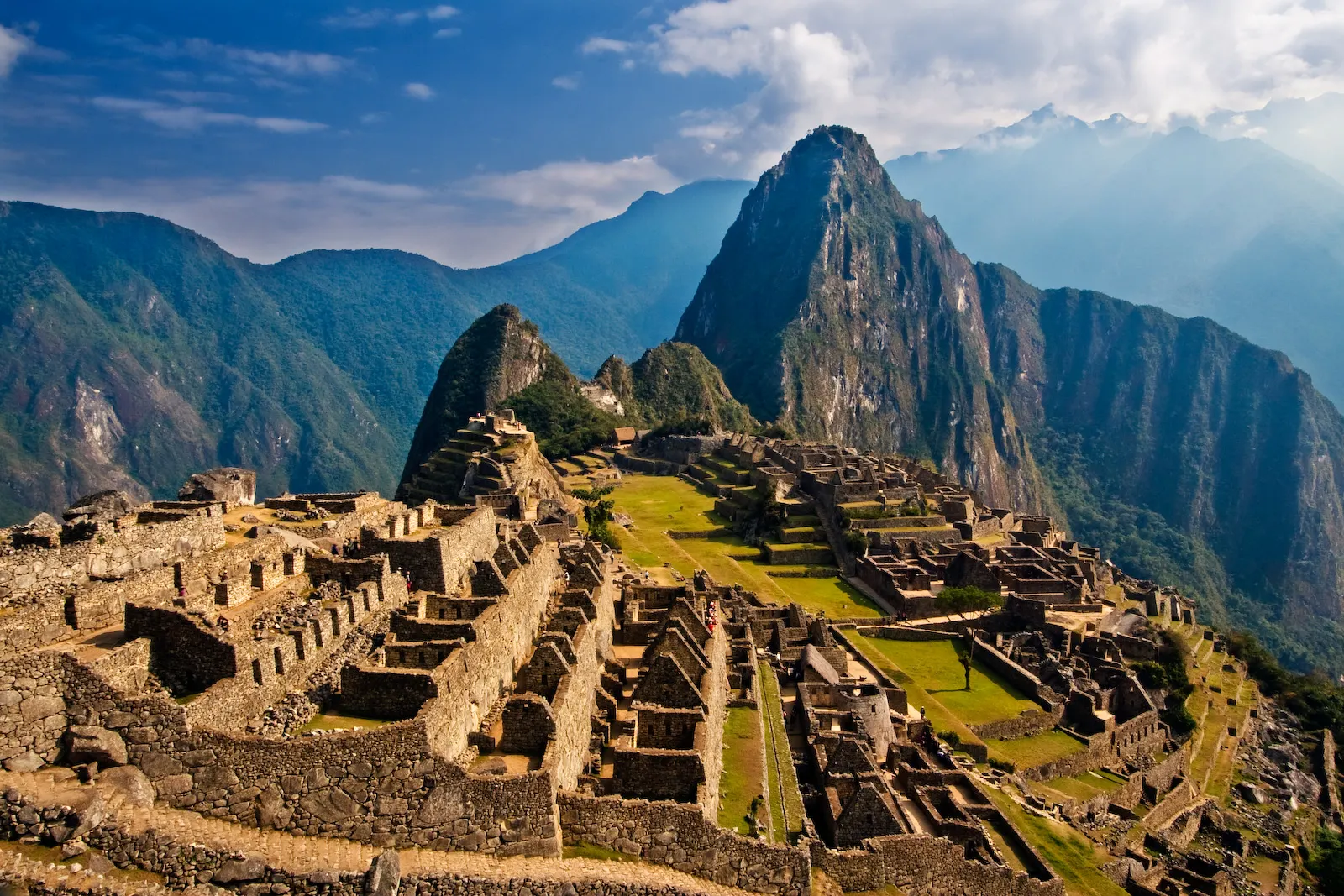
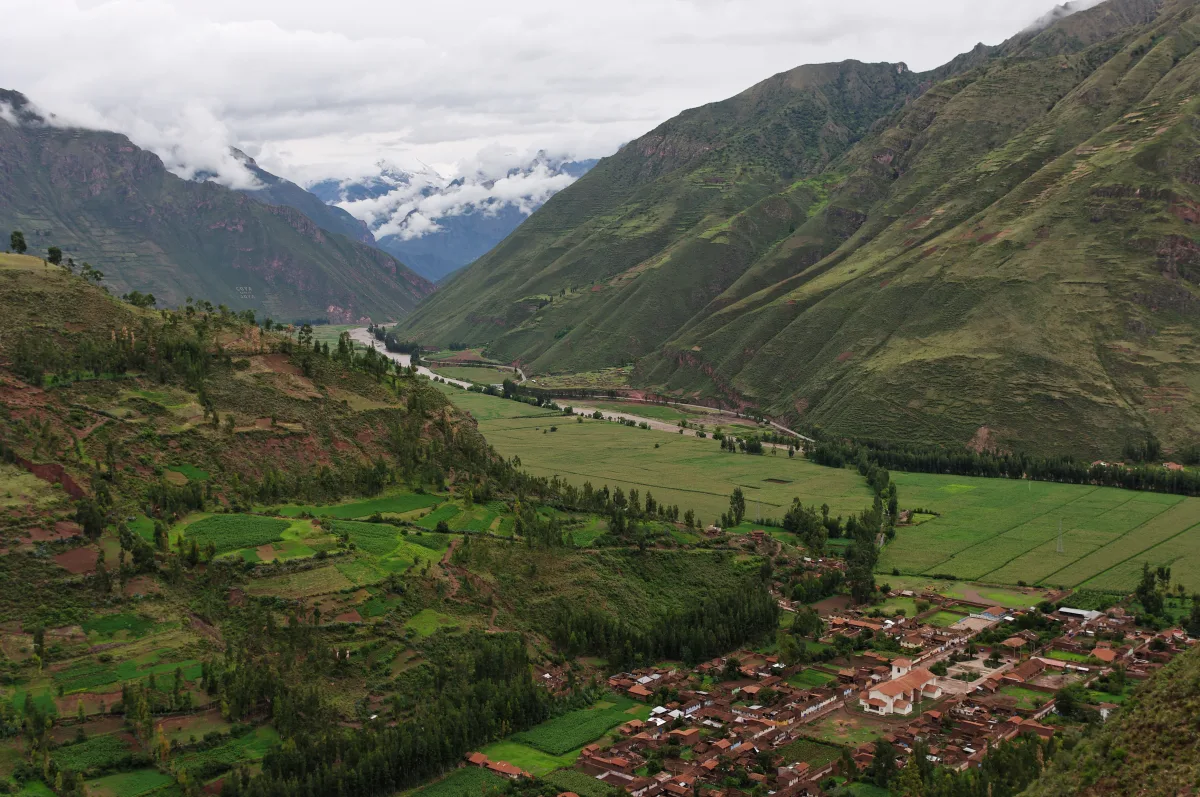
Altitude. This is the single most important decision in the whole itinerary. Cusco sits at about 11,150 feet. The Sacred Valley floor, where the Urubamba River runs, sits roughly 1,700 feet lower — around 9,400 feet. Machu Picchu itself is lower still, at about 7,970 feet.
So when you come up from the Amazon, you fly into Cusco but you do not stay there. You drive straight down into the Sacred Valley and sleep low for two or three nights while your body adjusts. You see Pisac and Ollantaytambo, you eat well, you breathe. Then you take on Cusco’s full altitude at the end of the trip, when you are acclimatized — not the moment you step off the plane.
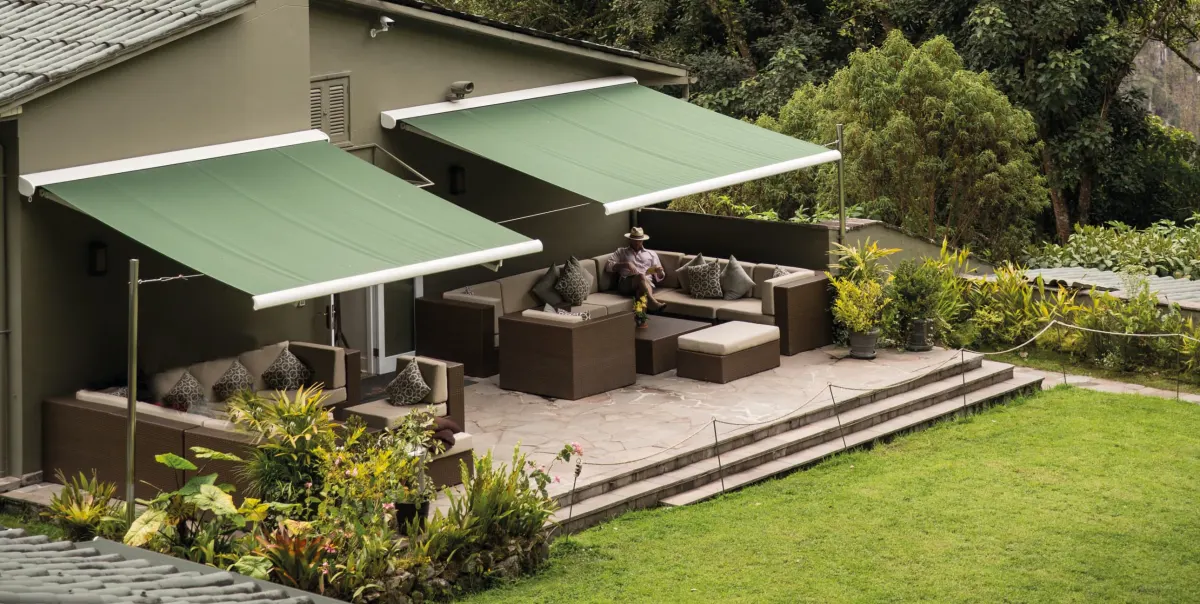
Where I put people is Sol y Luna, a Relais & Châteaux property in Urubamba — 43 adobe casitas spread through its own gardens with the Andes standing over them. It has the same slow, rooted feeling as the properties in my best luxury farm stays roundup: a real place with a point of view, not a chain box with a view of a car park.
Should you take the train to Machu Picchu?
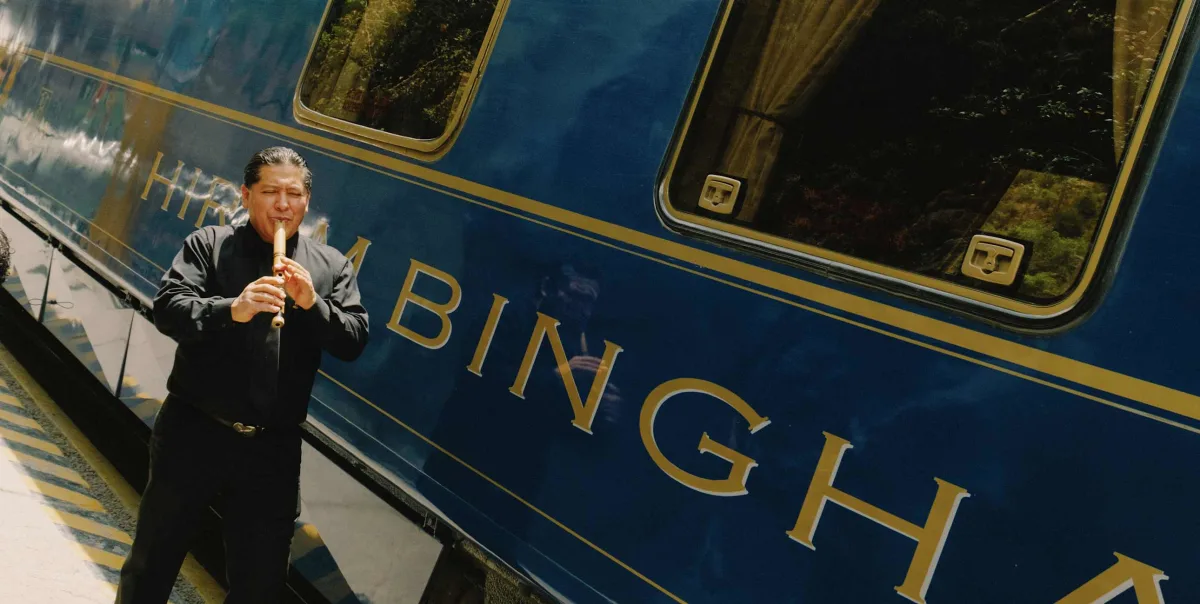
Yes — and take the right one. There is no road to Machu Picchu, so everyone arrives by rail up the Urubamba gorge. The question is which train, and the answer is Belmond’s Hiram Bingham. It launched in 2003, it is styled like a 1920s Pullman with wood panelling and brass, and the roughly three-and-a-half-hour run comes with a proper brunch on the way up, dinner on the way down, and a bar car with live musicians. You can board near Cusco or, on my routing, join it from the Sacred Valley at Ollantaytambo — which is exactly where you already are.
One thing to name correctly, because people mix them up: the Hiram Bingham is the day train to the citadel. The Andean Explorer is a different Belmond train — South America’s first luxury sleeper — running Cusco to Lake Titicaca and on to Arequipa, climbing to around 15,700 feet on the Altiplano. That is a wonderful two-night add-on if you have the days, but it does not go to Machu Picchu. Peru’s great trains belong to the same world as Europe’s; I wrote about one of those in Paris to the Amalfi Coast on the Venice Simplon-Orient-Express.
Is it worth staying at the citadel gates?
If the budget stretches, yes — and it is the one splurge I argue hardest for. Sanctuary Lodge, A Belmond Hotel, is the only hotel at the gates of Machu Picchu. Thirty-one rooms, sitting right at the entrance to the citadel. Everyone else is staying down in the town of Aguas Calientes and riding a bus up in a morning scrum.
What you are buying is timing, and timing is the whole game at Machu Picchu. Stay at the Lodge and you are through the gate for the first light before the day-trippers arrive, and still there in the late afternoon after they have gone. Two near-empty visits to the most crowded ruin in the Americas. That is the difference between a photograph and a memory, and it is the kind of access that is genuinely hard to book without knowing to ask for it.
What You Actually Want to Know
When is the best time to go to Peru?
The highlands are best in the dry season, May through September, with April and October as quieter shoulder months. The Amazon is a year-round destination, but the water level changes the experience: high water from roughly November to June is better for kayaking and skiff exploration through the flooded forest, while lower water later in the year opens up river beaches and forest trails.
How many days do I need?
Ten to twelve days is the honest number for the full top-to-bottom route: three nights in the Amazon, two or three in the Sacred Valley, one at or near Machu Picchu, and a night or two in Cusco at the end. You can compress it, but the whole design is about giving your body time to climb.
Is the altitude actually a problem?
It can be, which is why the order matters. Cusco is over 11,000 feet, high enough to flatten people who fly straight in. Come up from the Amazon, sleep in the lower Sacred Valley first, hydrate, and take Cusco at the end, and most travelers are fine. Anyone with heart or lung concerns should talk to a doctor about altitude medication before the trip.
Which Delfin vessel and which suite?
Delfin I for the smallest, most private sailing — only four suites. Book one of the two Deluxe Master Suites for the private plunge-pool terrace. If you are traveling as a family or want more onboard life, Delfin II is the larger, still-intimate option.
Can I add the rest of South America?
Easily, and Peru pairs beautifully with the far south. If you have the time, run it into a Patagonia leg — I lay out the lodges I book in my Patagonia lodge guide.
Peru is a trip where the order of operations is the luxury — the difference between arriving breathless and arriving ready. I book this route several times a year and I know which suite, which train car, and which morning slot at the citadel to hold. Tell me when you want to go, and I’ll build it around you.