The short version
Go in spring (September to November, when the jacarandas turn the avenues purple) or early autumn. Base yourself in Recoleta for grand hotels or Puerto Madero for the waterfront, eat your way through Palermo, and give it four full days minimum.
Buenos Aires is the city I recommend when someone tells me they want Europe but have done Europe. It has the grand boulevards, the Belle Époque facades and the late dinners, but it runs on its own current — tango drifting out of a San Telmo doorway, a steak that ruins you for other steaks, a whole population that treats midnight as the start of the evening rather than the end.
It is also, right now, one of the best-value grand cities in the world for the kind of traveler I work with. The exchange rate has made the top hotels and tables far more attainable than their equivalents in Paris or Rome, and the city has never been more comfortable to move through. What it asks of you is a little patience with the rhythm: nothing important happens before 10am or before 9pm.
Here is how I actually route it — when to go, where to stay, which neighborhoods deserve your hours, and where to eat the beef you came for.
When is the best time to visit Buenos Aires?
Spring and early autumn, full stop. The sweet spot is September through November, and if you can only pick one week, aim for the middle two weeks of November, when the city’s roughly 15,000 jacaranda trees bloom and the avenues run purple. Spring temperatures sit around 15–25°C (59–77°F) — warm enough for long lunches outdoors, cool enough to walk all day.
Early autumn, March into April, is the other window I book: the summer heat has broken, the skies are clear, and the city is back to work after the holidays. I steer people away from December through February, when porteños flee the humidity for the coast and much of the best of the city goes quiet. Remember the seasons are flipped from the Northern Hemisphere — July is deep winter here.
Where should you stay in Buenos Aires?
For a first trip, I put almost everyone in Recoleta — the city’s most graceful district, walkable to the parks, the cemetery and the antique shops, and home to the grand hotels. If you want water and modern rooms, Puerto Madero is the alternative.
My default is the Four Seasons Hotel Buenos Aires, because it gives you two hotels in one: a contemporary tower and La Mansión Álzaga Unzúe, a Belle Époque mansion that anchors the property. It runs 165 rooms and 49 suites, and the seven one-of-a-kind suites inside the mansion are the ones worth asking for. The Sunday asado in the garden is a genuine local event, and Elena — named for the bride who received the mansion as a wedding gift — is one of the best steak-and-seafood rooms in the city.
For full old-world grandeur, the Alvear Palace Hotel has been the Recoleta address since 1932: 207 rooms in Louis XV and XVI dress, and a Leading Hotels of the World member that still does formality properly. If your taste runs more art-forward, Palacio Duhau – Park Hyatt Buenos Aires pairs a 1930s palace with a modern tower across a terraced garden — 165 rooms in total, with the 23 palace rooms as the character choice.
And if you want design over tradition, cross to Puerto Madero for the Faena Hotel Buenos Aires. Alan Faena and Philippe Starck turned El Porteño, a 1900s grain mill saved from demolition, into an 88-room theater of red velvet and unicorn heads when it opened in 2004. It is not subtle, and that is the point.

Which neighborhoods should you spend your time in?
Four, and they each do a different job. Recoleta is your base and your morning — the cemetery (where Eva Perón lies among the city’s founding families), the Fine Arts museum, and cafe tables under the trees. Palermo, split into Palermo Soho and Palermo Hollywood, is where you spend afternoons and evenings: independent boutiques, wine bars, the best restaurants, and the parks of Bosques de Palermo.
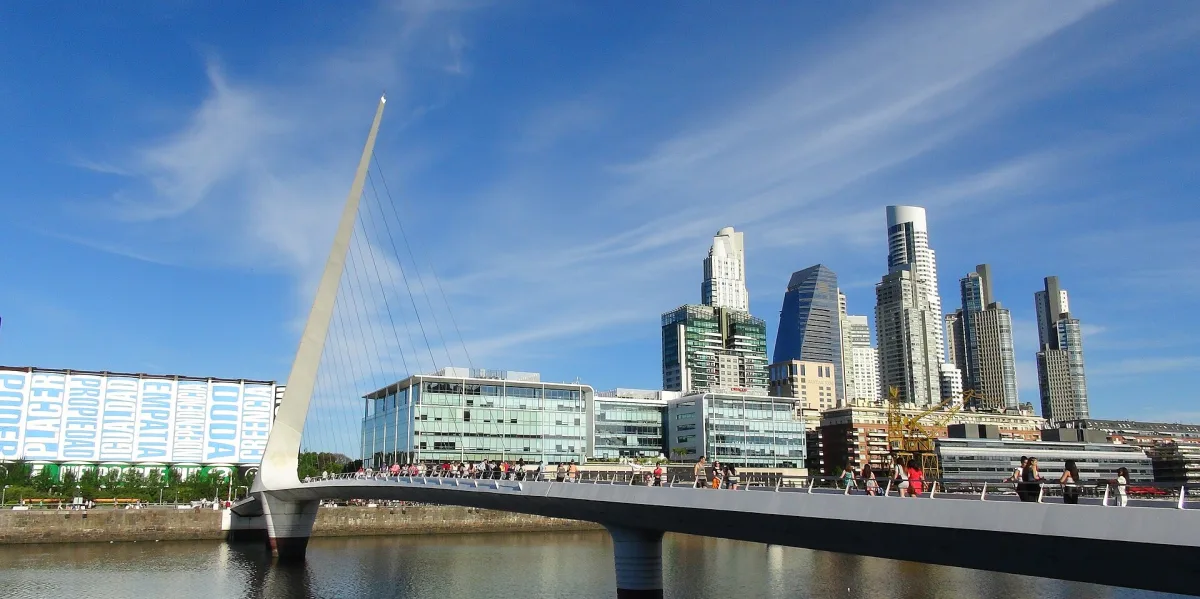
Puerto Madero is the redeveloped docklands — wide promenades along the water, Calatrava’s Puente de la Mujer, and the polished waterfront dinner. And San Telmo is the old heart: cobblestones, antique dealers, the Sunday market along Defensa, and tango that is lived rather than staged. I tell clients to give San Telmo a Sunday and Palermo their nights.

Is the steak really that good — and where do you eat it?
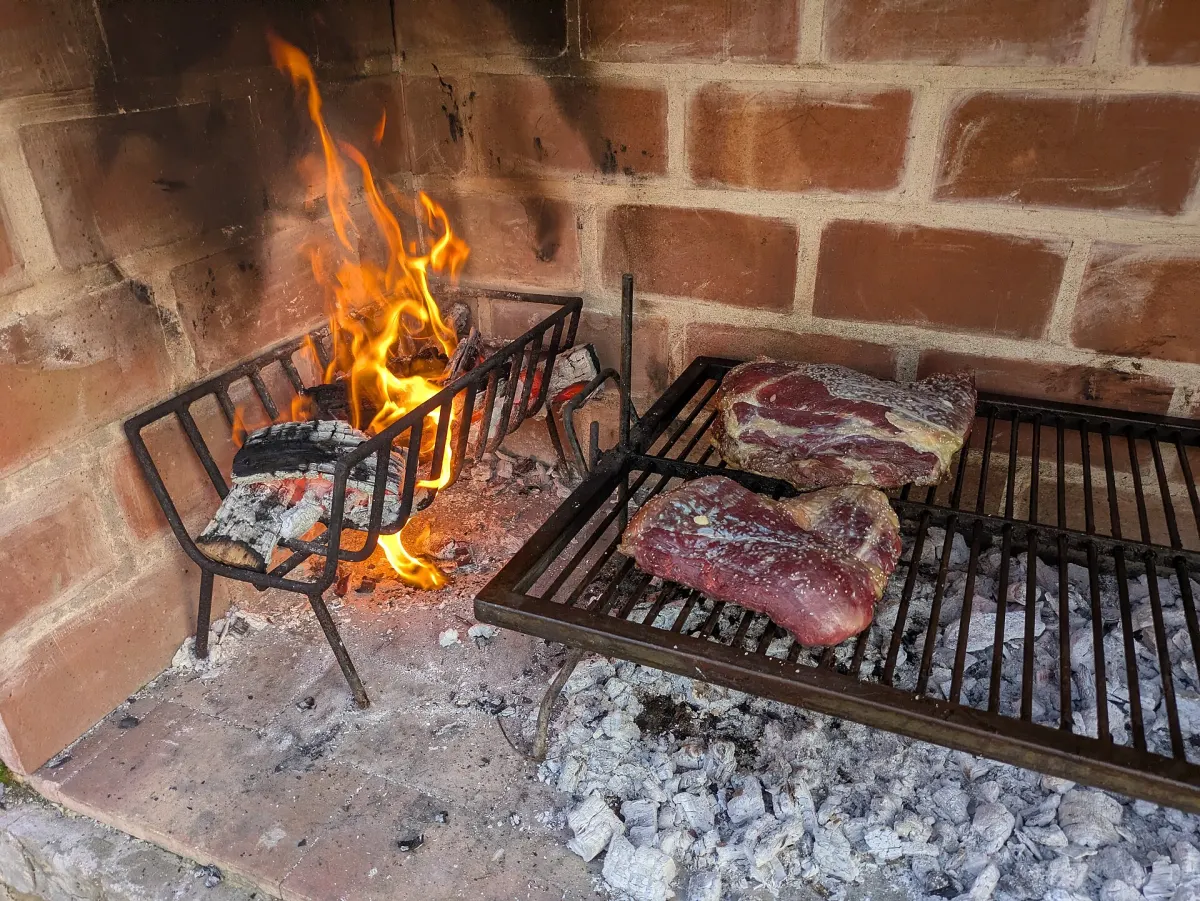
Yes, and it is the honest reason a lot of my clients rebook. Argentine asado is a whole grammar of wood fire, salt and time, and the beef — much of it grass-fed — has a flavor you cannot fake. The one I send everyone to is Don Julio in Palermo, ranked No. 10 on The World’s 50 Best Restaurants in 2025 and No. 3 in Latin America. Owner-sommelier Pablo Rivero sources most of the menu from the restaurant’s own farm and ages and butchers the beef in-house.
It is also the hardest table in the city. Book a couple of months ahead if you can; if you can’t, do what the locals do and join the queue near opening, where they hand out sparkling wine and hot empanadas while you wait. Pair everything with Malbec — and if the wine grabs you, that is your cue to add a few days in Mendoza wine country at the end. Beyond the classic parrillas, ask me about the puertas cerradas, the closed-door restaurants run out of private homes, which are some of the most interesting dinners in the city.
What You Actually Want to Know
How many days do I need in Buenos Aires?
Four full days is my minimum for the city itself — one for Recoleta and the museums, one for Palermo, a Sunday for San Telmo, and one loose day for tango, a football match or a day trip to an estancia. Most of my clients build it into a longer Argentina trip, adding Mendoza for wine or heading south.
Is it a good time to go, with the peso the way it is?
It is arguably the best value it has been in years. The exchange rate means top hotels and restaurants cost meaningfully less than their European peers. Pay for the big things by card, carry some cash for markets and taxis, and don’t overthink it — I brief every client on the current money mechanics before they go.
Do I need to speak Spanish?
No. In the hotels and better restaurants you’ll be fine in English, though a few words of Spanish are warmly received. Porteños are proud and friendly hosts, and the city is easy to navigate with a driver or the Subte.
When exactly do the jacarandas bloom?
Late October into November, with peak color usually in the middle two weeks of November. It is one of the most beautiful times to see the city, and it lines up perfectly with warm, walkable spring weather.
Can I combine Buenos Aires with the rest of Argentina?
That is how I’d do it. Buenos Aires pairs naturally with Mendoza’s wine country and with Patagonia for glaciers and lodges. The city is the gateway, and two or three days at the front of a bigger loop is the classic structure.
Buenos Aires rewards a trip that’s planned around its rhythm rather than fought against it — the right week, the right base, and the tables booked before you land. That is exactly the kind of thing an advisor is for. Tell me where you want to go, and I’ll build it.
Plan Your Next Journey
Work with a Noon Travel advisor for a trip that exceeds every expectation.
Get Started