
The short version
The best wellness resorts in the U.S. are no longer interchangeable spa hotels. Amangiri in Utah is for stillness, Sensei Lānaʻi in Hawaii for a science-backed reset, Canyon Ranch for the full program, Blackberry Mountain in Tennessee for wellness in the wild, and Sensei Porcupine Creek for the desert estate. Match the property to the reset you actually need.
Wellness travel used to mean a facial and a robe. It doesn't anymore. The category has split into distinct species — desert design retreats, science-led reset programs, fitness camps that will humble a marathoner — and the fastest way to waste a wellness trip is to book the wrong kind of one.
The good news for American travelers: you don't need a passport for any of it. Some of the best wellness resorts anywhere are in Utah, Hawaii, Tennessee and the California desert. The trick is knowing which one does what, because the gap between them is wider than the brochures admit. Here are five worth building a trip around in 2026, sorted by the reset they actually deliver.
What counts as a wellness resort in 2026?
Three very different things wear the same label. A spa resort sells treatments à la carte. A wellness resort builds the whole stay around your health — food, movement, sleep, sometimes diagnostics. A medical or longevity clinic goes further still, with doctors and lab work. This list is the middle tier done at the highest level, with a note at the end on where the medical end takes over. We broke the three tiers down in our guide to the rise of wellness travel; the short version is that they are not substitutes, and price tells you almost nothing about which is which.
Amangiri, Utah: for total stillness
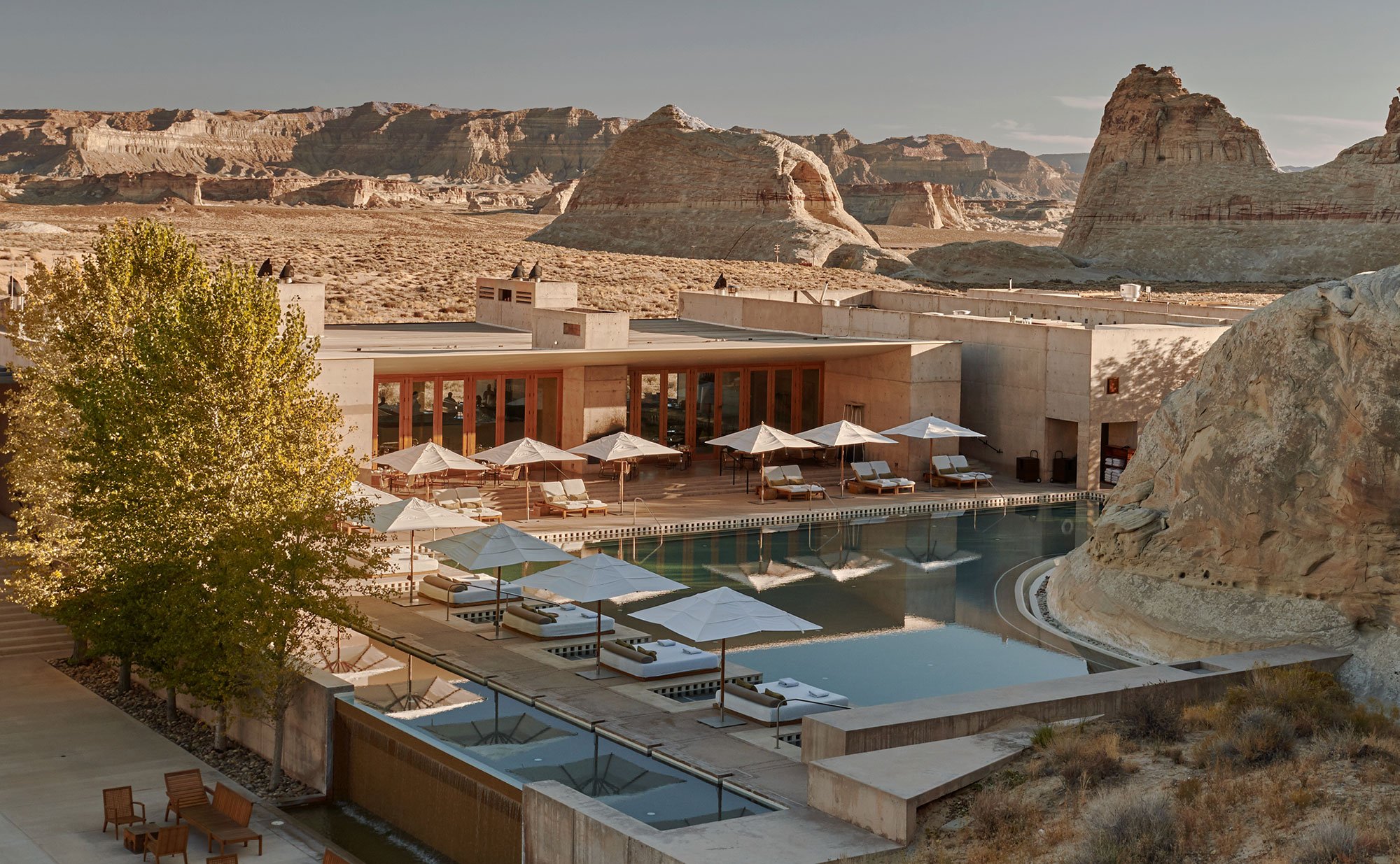
Book Amangiri when the reset you need is silence, not a schedule. Thirty-four suites are poured into 600 acres of southern Utah desert near the Arizona line, in concrete and glass that all but disappears into the mesas. The Aman Spa is the largest in the entire Aman portfolio at 25,000 square feet — flotation therapy, a step-well soaking pool, and treatments that draw on Navajo healing traditions organized around earth, water, fire and air. Camp Sarika, ten tented pavilions a short drive away, is the even-more-private extension. There is guided hiking, via ferrata and slot canyons if you want them, but no one makes you do anything.
Rates start well north of $3,000 a night, with meals for two included, and climb fast for suites and Sarika. It is also one of the few properties here that genuinely welcomes families. If Aman is new to you, here is what to know before your first Aman stay.
Sensei Lānaʻi, Hawaii: for the science-backed reset
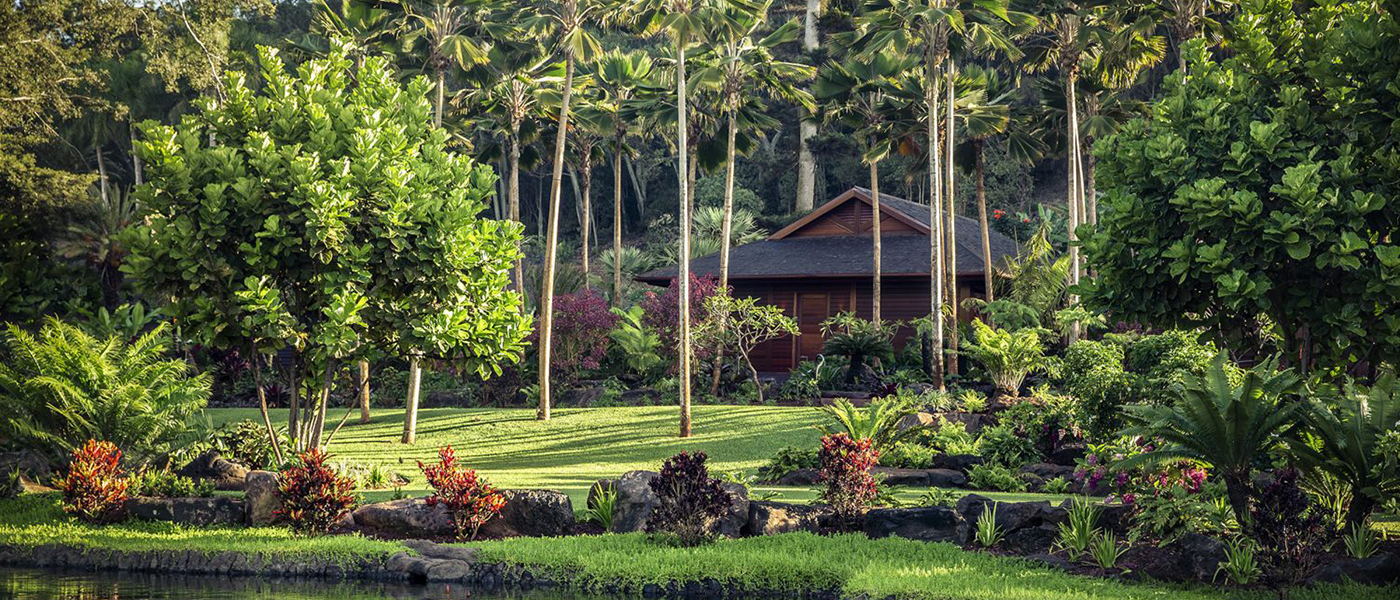
This is the most evidence-driven program in American wellness, set on a near-private Hawaiian island. Adults-only and tucked into the upcountry gardens of Lānaʻi, it belongs to Sensei, the wellness brand founded by Larry Ellison and Dr. David Agus. The Sensei Way organizes everything around three ideas — Move, Nourish, Rest — and pairs you with practitioners who use real assessments, from body composition to movement screening, to build the stay rather than hand you a generic menu. Dining is Sensei by Nobu, leaning on what the island grows. It is the closest thing to a longevity clinic that still feels, unmistakably, like Hawaii.
Canyon Ranch: for the do-everything program
Canyon Ranch is the original American wellness resort, and still the best all-rounder. It opened in Tucson in 1979 — arguably the property that invented this category in the U.S. — on an all-inclusive, preventive-health model: fitness, nutrition counseling, mindfulness, integrative and medical consultations, and a wall of daily classes you could never finish in one visit. The Berkshires outpost in Lenox, Massachusetts, wrapped around the historic Bellefontaine mansion on roughly 120 acres, is the East Coast counterpart and the easy call from New York or Boston. Come here when you don't want a single specialty — you want the full menu and a coach to help you choose.
Blackberry Mountain, Tennessee: for wellness in the wild
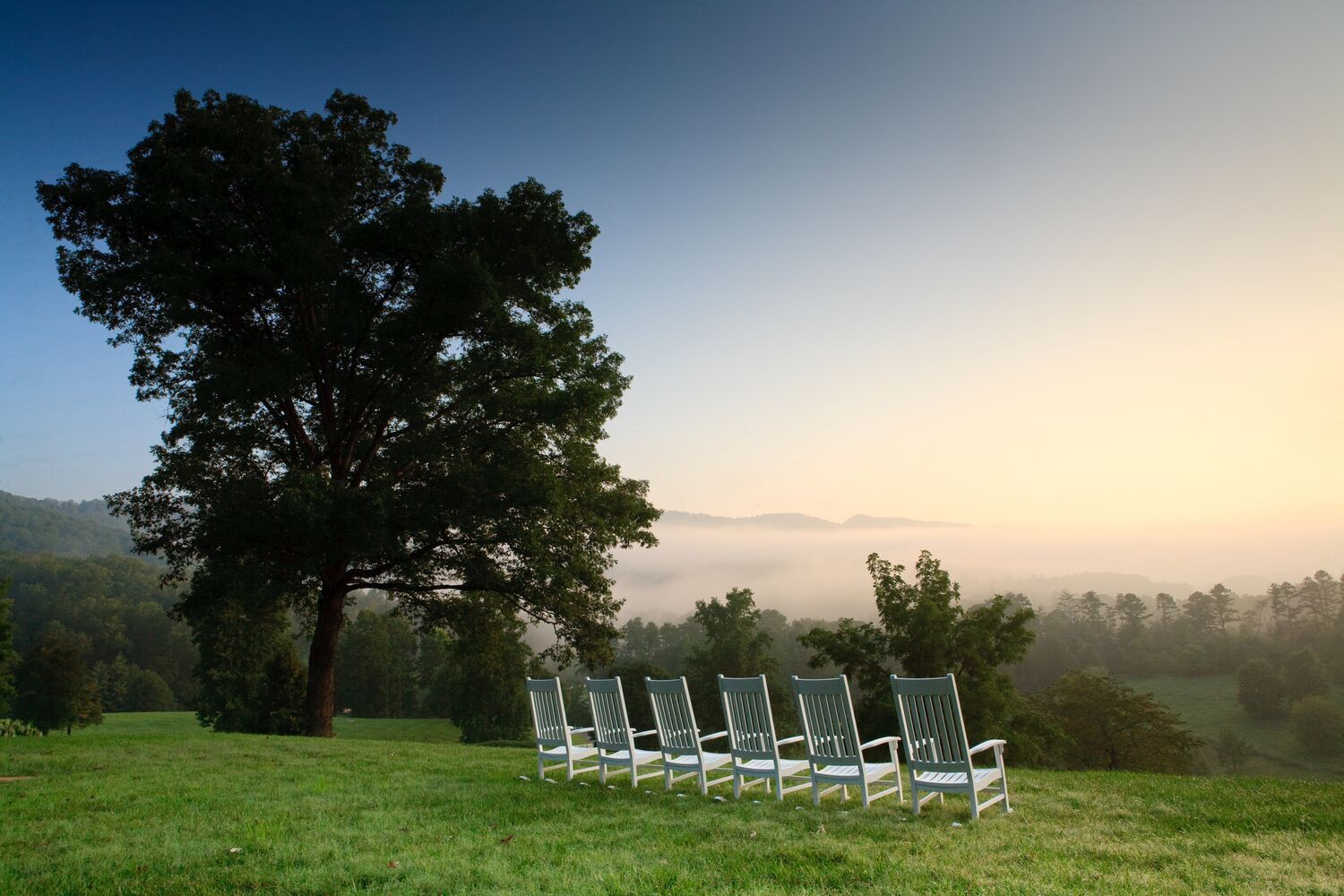
Blackberry Mountain is wellness that happens outside. The 2018 sister to Blackberry Farm spreads across 5,200 acres above Walland, in the Great Smoky Mountains, with more than eight miles of protected ridgeline. Where its sibling is about the table — Blackberry Farm is a Relais & Châteaux property famous for its kitchen — the Mountain is about movement and terrain: trail running, mountain biking, climbing, plus a wellness center, the Firetower fitness studio and a juice bar. The cabins and cottages are Southern-comfortable, the food is excellent without being punishing, and it is the pick for anyone who finds a treatment room claustrophobic and would rather earn the view up a ridge.
Sensei Porcupine Creek, California: for the desert estate
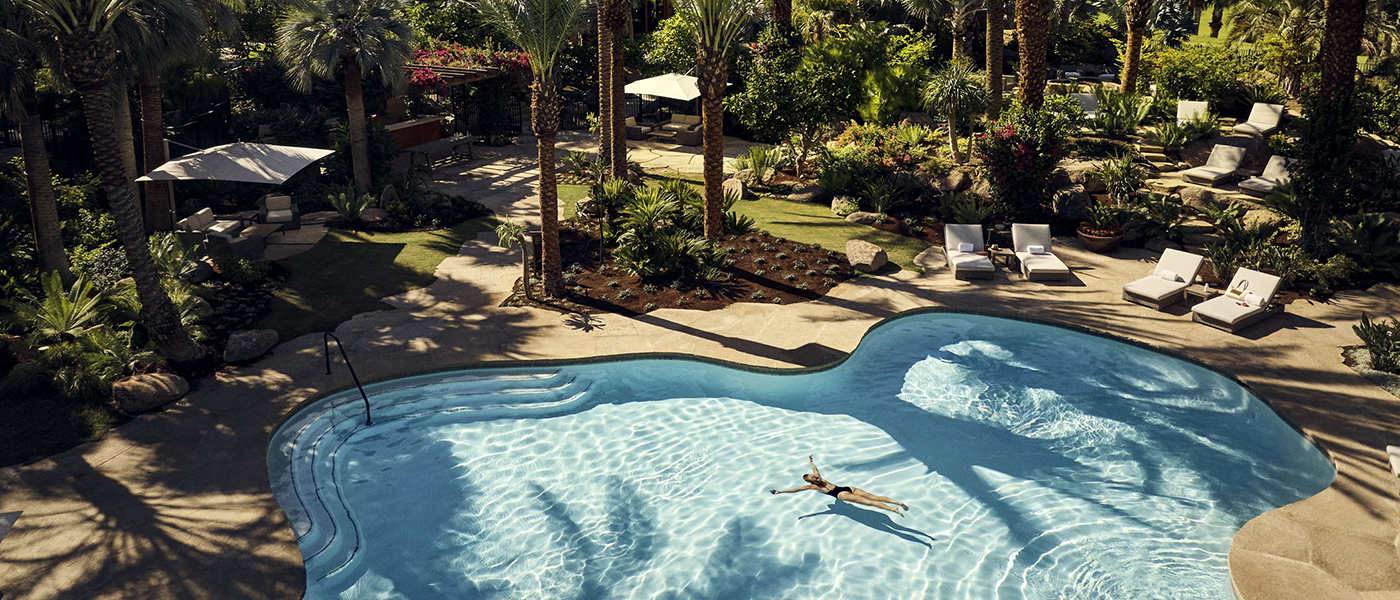
Sensei's second U.S. property, opened in 2023, is a former private estate in Rancho Mirage turned all-in wellness compound — 230 acres against the Santa Rosa Mountains. It runs the same Sensei Way and the same data-driven assessments as Lānaʻi, then adds a private golf course across nearly 75 acres, tennis, sprawling spa gardens and Sensei by Nobu for resort guests only. The scale is the point: you essentially take over a billionaire's desert estate with practitioners on call. Palm Springs is 20 minutes away for the evening you want off the property.
So which one is right for you?
Start with the reset you actually need. If you want to be pushed hard physically, none of the five above is really it — for a true fitness camp, look at The Ranch Malibu, a fixed program of roughly four-hour morning hikes and plant-based meals in the Santa Monica Mountains that runs about $7,600 to $8,900 per person for the week. If the work is mental, Miraval Arizona — 400 adults-only acres outside Tucson built entirely around mindfulness — is the specialist.
Among the five: choose Amangiri for stillness and design; Sensei Lānaʻi or Porcupine Creek when you want a measured, science-led program; Canyon Ranch when you want everything on one campus; and Blackberry Mountain when your idea of health is a mountain and a trail. And if you want the true medical end — bloodwork, physicians, diagnostics — that is a different trip; Europe’s longevity clinics still lead there.
What You Actually Want to Know
When is the best time to go? The desert properties — Amangiri and Porcupine Creek — are best fall through spring; high summer is brutally hot. Sensei Lānaʻi works year-round. Blackberry Mountain peaks in fall for the Smoky Mountain color and again in late spring. Canyon Ranch is weather-agnostic and good any month.
How much should I budget? The models differ wildly. Amangiri starts well north of $3,000 a night with meals included. Canyon Ranch and Miraval are all-inclusive and generally run over $1,000 a night. The Ranch Malibu is a fixed weekly program, roughly $7,600 to $8,900 per person. Blackberry Mountain and the two Sensei properties price by room plus programming.
Are they adults-only? Some are. Sensei Lānaʻi and Miraval Arizona are adults-only. Amangiri and Blackberry Mountain welcome families. Canyon Ranch and The Ranch Malibu skew adult. Confirm the policy before you plan a multigenerational trip.
Do I have to be “into wellness”? No. The best of these work even for skeptics — Amangiri is a design hotel that happens to have an extraordinary spa, and Blackberry Mountain is an outdoors resort first. You can dial the programming from zero to full.
Can a travel advisor actually get me more? Yes. The right suite or hale, spa and program slots that sell out months ahead, and added value — resort credits, upgrades, experiences — through partner programs. On properties like these, access and timing are the entire game.
Every one of these books differently, and the best rooms and program dates go early. Tell Noon's advisors what you're actually trying to reset, and they'll match you to the right property — and the right week. Start the conversation.
Further reading
- A Private Island on the Côte d'Azur Just Got a Wellness Programme Worth Flying For
- Hawaii Luxury Travel Guide 2026: Which Island, Which Hotel
- Aman’s First Ranch Retreat Is Texas Hill Country — Here’s the Amansanu Play
- Sleep Tourism Is the New Luxury Flex — Here Are the Hotels Doing It Best
- White Elephant Aspen Is Open — and It's Already the Best New Hotel in the Rockies
- Quiet Luxury Travel Isn't a Trend. It's a Correction.
- The Best Luxury Farm Stays in the World Right Now
Plan Your Next Journey
Work with a Noon Travel advisor for a trip that exceeds every expectation.
Get Started