
The short version
Quiet luxury travel is the move away from spectacle toward privacy, space, and rest. In 2026 the premium is on less — fewer guests, lower density, no performance. The properties doing it best, from Aman to Passalacqua, were built on restraint long before the rest of the market caught up.
The most expensive thing in travel right now is silence. Not a butler, not a brand name, not a rooftop with a DJ — the absence of all of it. The hotels people are quietly fighting to book this summer are the ones where nothing is shouting at you.
For a decade, the signal of a great trip was more: more amenities, more programming, more proof you had arrived. That era is closing. The fastest-growing kind of traveler now pays a premium to subtract — fewer rooms, fewer people, fewer decisions, less noise. The industry has a clumsy new word for it, hushpitality, but the instinct behind it is old.
Call it quiet luxury. It is less a trend than a correction: a return to what well-traveled people always wanted and briefly forgot to ask for.
What is quiet luxury travel, exactly?
It is luxury measured by what a trip removes rather than what it stacks on. The room is beautiful, and then it gets out of your way. No queue at the pool, no schedule to keep, no sense that three hundred other guests are running the same itinerary one hour ahead of you.
In practice it looks like natural materials over marble theatrics, low density over big numbers, and privacy treated as the headline feature instead of an upsell. The measure of the place is how completely you can disappear into it.
Why is everyone suddenly booking quiet?
Because rest became the reason to travel at all. Hilton's 2026 trends report, drawn from a survey of 14,000 travelers across 14 countries, found that rest and recharge is now the leading motivation for leisure travel — ahead of sightseeing, ahead of food, ahead of everything. Time in nature and mental health follow close behind.
People are traveling to recover, not to perform. After years of over-scheduled trips engineered for the camera, the luxury that reads as genuinely rare is an empty afternoon. It is the same logic driving the shift toward longer, slower stays: fewer places, more time, nothing to prove.
The hotels that were quiet before it was a headline
The properties now defining quiet luxury did not pivot to it. They were built on it, in some cases decades ago.
Aman took its name from the Sanskrit word for peace and has spent more than 35 years engineering for exactly that. Most Aman properties hold somewhere between 10 and 40 rooms, with staff-to-guest ratios high enough that you are rarely managed and never crowded. Seclusion is not a perk here; it is the entire architecture. (If you are weighing it against the more visible end of the market, our Aman versus Four Seasons breakdown spells out the difference.)
Soneva, in the Maldives, asks you to take off your shoes as you step from the seaplane and put your phone away with them — the long-running “No News, No Shoes” philosophy. Soneva Jani sits inside a 5.6-kilometer private lagoon. Disconnection is the product, sold without apology.
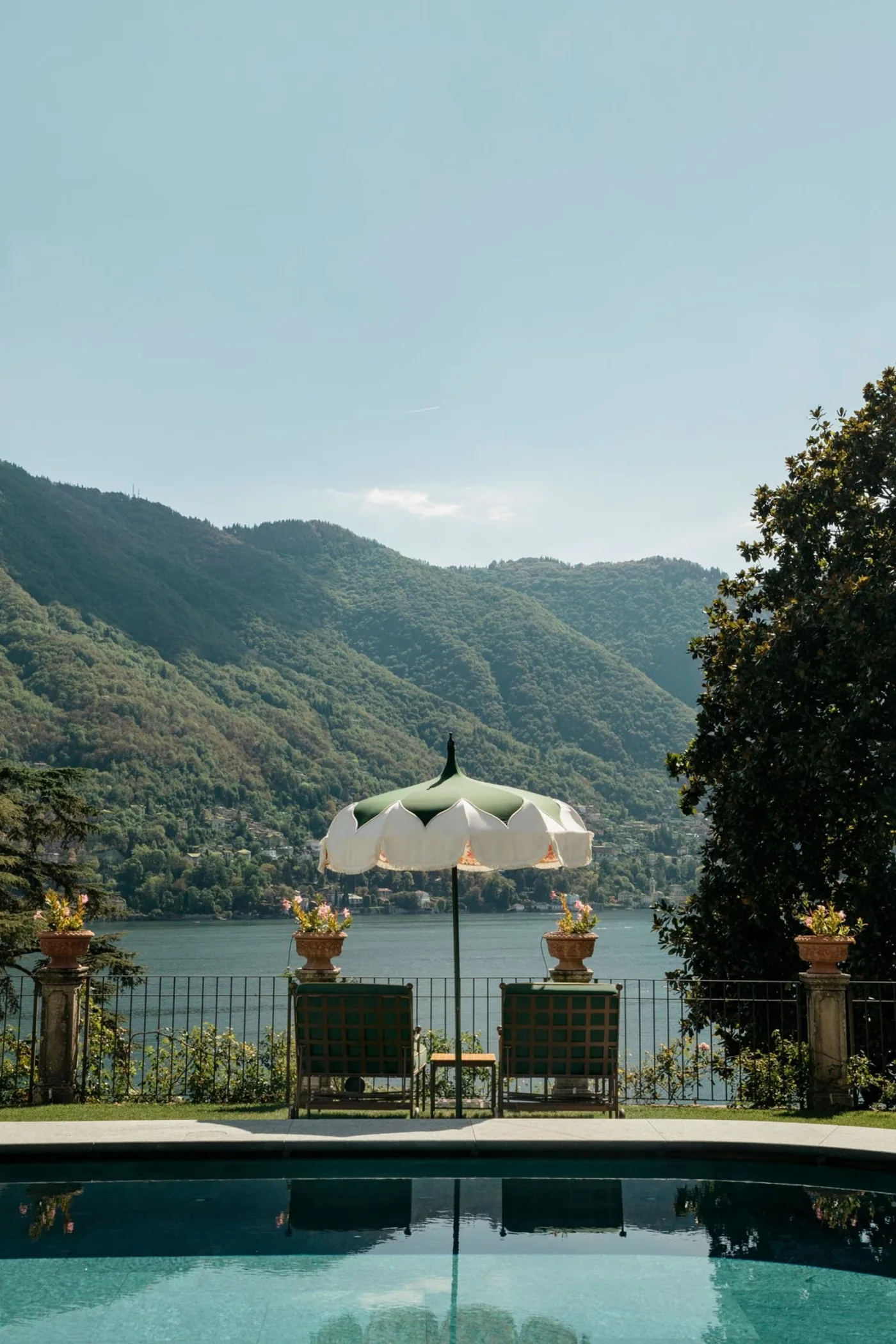
Passalacqua, on Lake Como, is just 24 rooms inside an 18th-century villa, and it was named the world's best boutique hotel two years running by The World's 50 Best Hotels. Its organizing idea is villeggiatura — the old Italian art of decamping to the country for the season and doing, deliberately, very little. Read it alongside our wider Lake Como guide if Como is on the list.
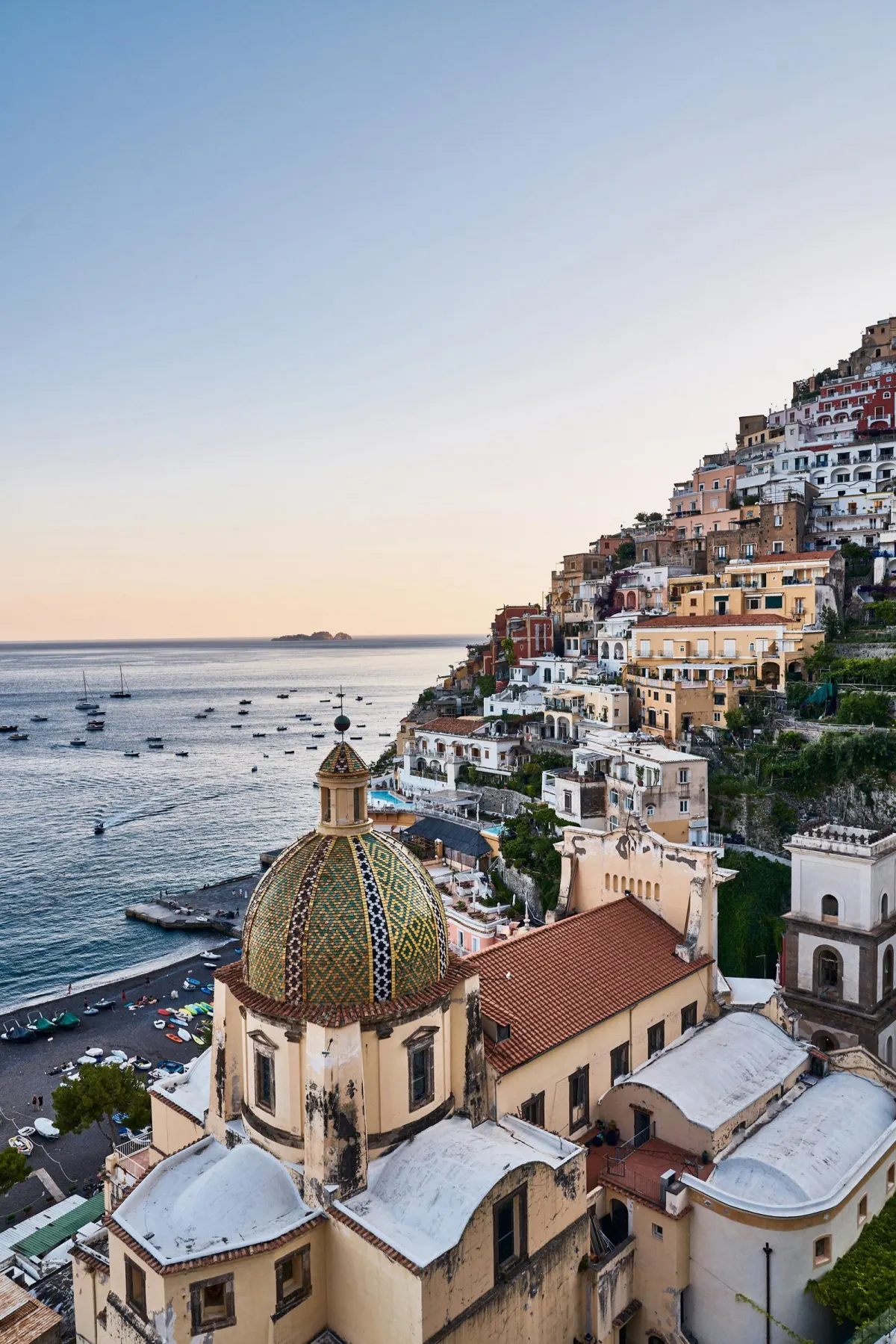
Le Sirenuse, in Positano, is still owned and run by the Sersale family, who opened it as their summer home in 1951. Dinner at its restaurant, La Sponda, is lit by 400 candles and nothing else. Restraint here is a family trait, not a marketing department's idea.

Is quiet luxury just paying more for less?
Yes — and that is precisely the point. Space, privacy, and a high staff-to-guest ratio are the most expensive things a hotel can sell, because they cap how many people it can ever serve. A 24-room villa cannot scale, and that ceiling is the product. It is the same reason demand keeps moving toward whole-house rentals; a private villa is quiet luxury in its purest form, because the only people there are the ones you brought.
What you are buying, in other words, is restraint built into the place itself — not a feature you switch on, but a limit the owners chose and priced accordingly.
What You Actually Want to Know
What is quiet luxury travel? It is a style of travel that prizes privacy, space, and rest over spectacle and status. The emphasis is on understated design, low guest density, and genuine downtime rather than amenities and programming.
Is quiet luxury more expensive than regular luxury? Often, yes. Smaller properties with high staff ratios and real privacy cost more per guest to run and cannot scale, so the price reflects scarcity rather than flash.
Where should I go for a quiet luxury trip in 2026? Small villa hotels like Passalacqua on Lake Como and Le Sirenuse in Positano, the Aman and Soneva portfolios, and private-villa rentals all deliver it. The common thread is few rooms and real seclusion, not a particular destination.
What is the difference between quiet luxury and slow travel? Quiet luxury is about the texture of where you stay — private, understated, low-key. Slow travel is about pace — staying longer in fewer places. They overlap, and the best trips do both.
The quietest properties are also the smallest, which means they sell out first and almost never advertise. Knowing which room to request, and when to pick up the phone, is the whole game. That is what we do.
Plan Your Next Journey
Work with a Noon Travel advisor for a trip that exceeds every expectation.
Get Started