The most telling thing about a luxury traveler in 2026 is no longer how many places they can name. It is how few. The five-countries-in-ten-days itinerary — the one that produced a camera roll and very little else — has quietly lost its status. The new flex is staying put.
You can see it in how the best trips are now built: one anchor, a long lie-in, a standing dinner reservation by Thursday because the kitchen already knows your table. Travelers who can afford to go anywhere are increasingly choosing to go to one place and actually arrive there — to learn the walk to the village, the rhythm of the light, the name of the person who pours the morning coffee.
This is not a soft, vague wellness idea. It is showing up in the booking data, in advisor forecasts, and in the way the world's strongest properties are designing for guests who plan to unpack completely. The question worth asking before you book your summer is simple: are you collecting destinations, or are you collecting days?
TL;DR: Luxury travelers in 2026 are taking fewer trips and staying longer in each one. The smart move is to pick a single anchor — a Greek headland, an Umbrian estate, a Portuguese wine valley — and stay a week. Slower is now the higher-status way to travel, and the best resorts are built for it.
Why Are Luxury Travelers Suddenly in No Hurry?
Because the math changed. Higher prices have pushed even high-net-worth travelers toward fewer, more deliberate trips — and once they commit, they want to stretch the stay rather than splinter it across cities. Virtuoso's 2026 Luxe Report frames it as a move from FOMO to slow-mo: 67 percent of advisors expect travel to climb next year, and 55 percent expect clients to spend more per trip, but the spending is going into depth, not distance.
There is a quieter driver too. Constant transit is the least luxurious part of any itinerary — the 6 a.m. lobby call, the third check-in of the week, the packing and repacking. Cutting it out is the upgrade. When the rarest part of a trip is unstructured time, the most extravagant thing you can do is refuse to rush.
Where Does Staying Put Pay Off?
In places with enough depth to reward a full week — a real landscape, a working culture, a kitchen worth returning to. Four anchors stand out for 2026.
The Peloponnese, Greece. Amanzoe sits on a hilltop near Porto Heli with 38 pavilions and 11 villas, most with private pools, and an Aman Spa built for slow mornings. It is a 2.5-hour drive or a 25-minute helicopter from Athens — close enough to reach easily, far enough that nobody arrives by accident. Settle in and the Argolid coast, the island of Spetses, and a string of ancient sites become day trips rather than a checklist.
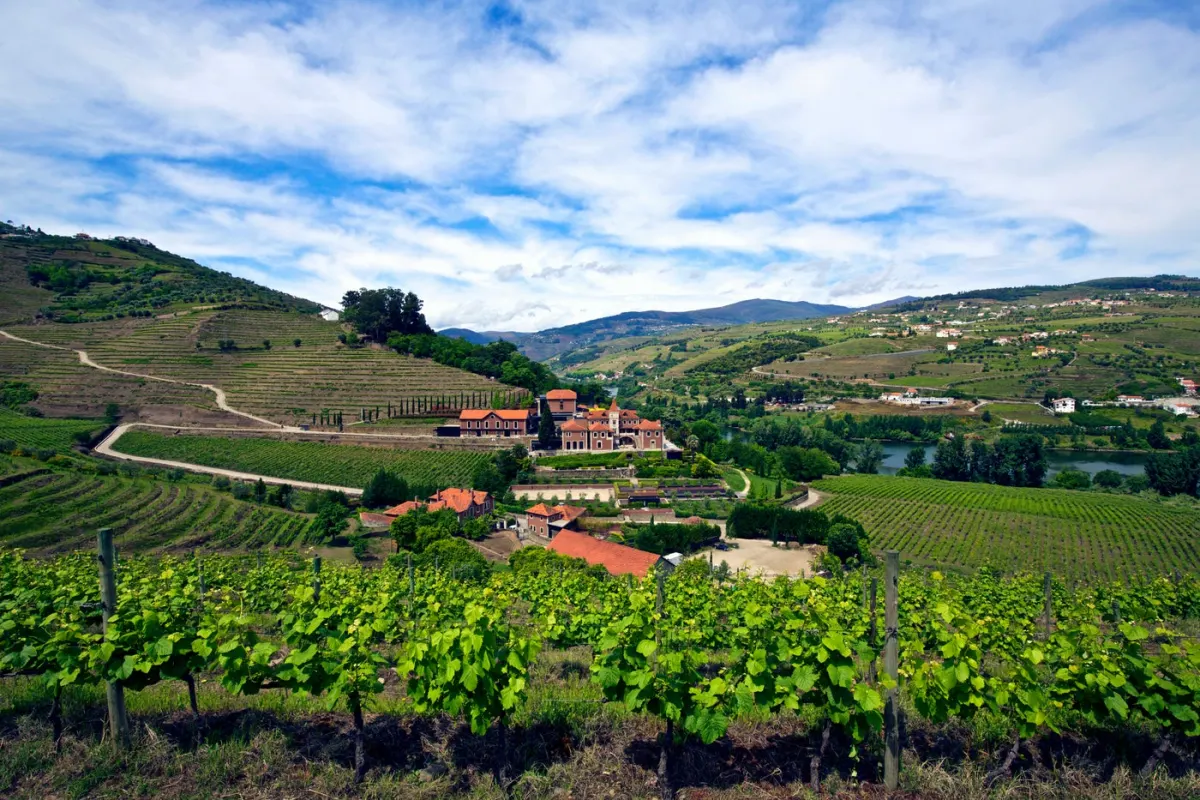
The Douro Valley, Portugal. Six Senses Douro Valley occupies a restored 19th-century quinta high above the river, with 71 rooms, suites and villas, a spa running multi-day programs, and a wine library stocked from the surrounding terraces. This is a region that resists hurry by design — the pleasure is in the long lunch, the river cruise, the afternoon that goes nowhere.
Umbria, Italy. Castello di Reschio is a 10th-century castle on a 3,500-acre estate straddling the Tuscan-Umbrian border, restored by the Bolza family and opened to guests in 2021. Its 36 rooms and suites come with horses to ride, trails to walk, and almost no reason to leave the gates. It is the clearest argument going for treating a hotel as a place to live for a week, not a base to sleep between excursions.
Puglia, Italy. Borgo Egnazia, in Savelletri on the Adriatic, hosted the 2024 G7 and has the scale to absorb a long stay without ever feeling like a transit hub — a golf course along the sea, a serious spa, a private beach, and a cluster of restaurants you can rotate through for a week. Puglia rewards the traveler who stays long enough to drift between masserie, sea towns, and the olive country in between.

What a Week in One Place Buys You
Access, mostly — the kind that only compounds over days. By the third morning, the staff know how you take your coffee and which lounger is yours. The chef starts cooking off-menu. The boat captain suggests the cove worth the longer run. None of this happens on a two-night stay, which is the real cost of moving fast: you pay top rates to remain a stranger everywhere.
Staying longer also reshapes the trip's economics in your favor. Advisors are increasingly negotiating extended-stay rates, complimentary nights, and upgrades that simply are not on the table for a quick stopover. The same instinct shows up across categories — longer safari stretches, extended cruise port calls, multi-week runs through Argentina or Peru — and it is the same lesson each time. Wellness-led travel has been teaching it for years: the benefit arrives on day five, not day two.
What You Actually Want to Know
How long is a "long" stay? Five to seven nights in one property is the new sweet spot, up from the two- or three-night hops that defined the last decade. A week is long enough to settle without growing restless.
Isn't one place boring? Only if the place is shallow. An estate with riding, a wine valley with cellars to visit, or a coast with islands offshore gives you variety without the airport. The trick is choosing an anchor with depth.
Is slow travel cheaper? Per night, often yes — longer stays unlock negotiated rates and perks. Overall you may spend the same, but more of it goes into the experience and far less into transit and repeated check-ins.
When should I book for summer? Now. The best rooms at properties like these are reserved five to eleven months out, and the suites and villas built for long stays are the first to go.
Slowing down sounds simple. Building it well — the right anchor, the room worth a week, the rate that makes a long stay sing — is where an advisor earns their place. Noon's team works with properties like these directly, and knows which ones reward a week and which are better left at two nights. Tell us where you want to slow down, and we will build the stay around it.
Plan Your Next Journey
Work with a Noon Travel advisor for a trip that exceeds every expectation.
Get Started