The short version
The Salzburg Festival runs July 17 to August 30, 2026, under the theme “Panorama of Love” — 208 performances of opera, drama, and concerts, headlined by a new Carmen and the annual Jedermann on Cathedral Square. Stay at the Goldener Hirsch for proximity or Rosewood Schloss Fuschl for the lake, and build the trip around a premiere.
For six weeks every summer, a small Baroque city on the Salzach river hands itself over to opera. The Salzburg Festival opened today, July 17, and runs through August 30 — this year staged under the theme “Panorama of Love.” The hotels are full, the Getreidegasse is loud with a dozen languages, and every restaurant with a terrace is spoken for by eight.
This is the oldest and most ambitious classical-music festival on earth. For a certain kind of traveler it is the fixed point of the European summer — the reason to be in Austria in August instead of on a beach in Greece. Tuxedos share the Domplatz with day-trippers, the Vienna Philharmonic plays most nights, and a single ticket can put you ten rows from a production the rest of the world will read about in the autumn.
It can also look impenetrable from the outside: a coded world of subscription tickets, black tie, and German-language drama. It isn't, once you know how it works. Here is how to do the 2026 season properly.
Why does the Salzburg Festival still matter?
Because nothing else operates at this level for this long. Founded in 1920, the Festival has run almost every summer for more than a century, and its scale is the point: the 2026 edition alone stages 208 performances of opera, drama, and orchestral concerts across the six weeks, drawing the conductors, singers, and directors who define the art form right now.
The emotional anchor is Jedermann — Hugo von Hofmannsthal's morality play about the death of a rich man, performed on the Cathedral Square (Domplatz) in the open air since the Festival's first summer in 1920. When rain moves it indoors, thousands of ticket-holders shuffle inside; when it stays dry, the actors' voices carry off the cathedral facade and the whole square goes silent. It is the one performance every first-timer should see, language barrier and all.
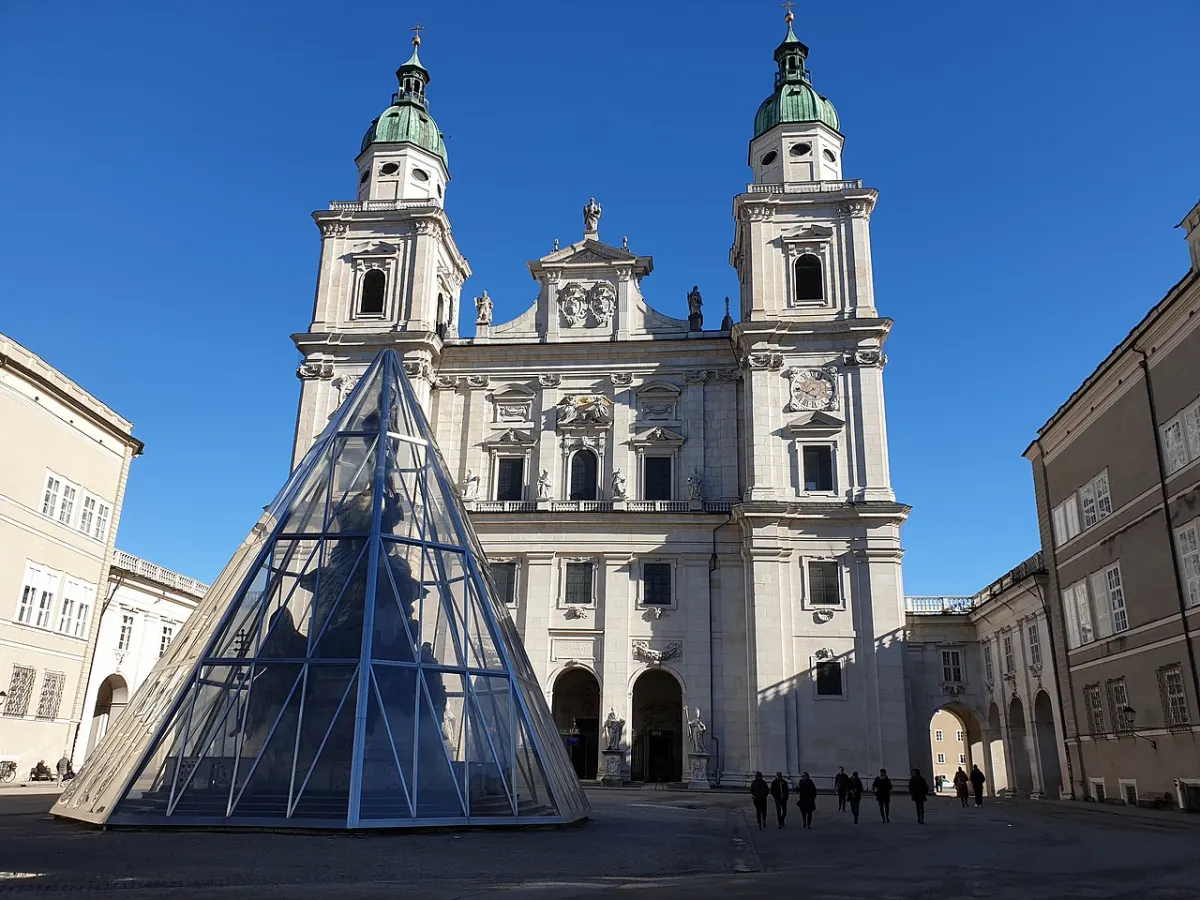
The other reason it matters is the town itself. Salzburg is compact, walkable, and almost absurdly photogenic — Hohensalzburg fortress on the hill, green cathedral domes, the river splitting the old town from the new. Unlike a big-city opera run, the Festival takes over the entire place. That total immersion is what separates it from Edinburgh in festival season or a night at the Staatsoper in Vienna: here, the festival is the city for six weeks.
What's actually on in 2026?
The headline is a new production of Bizet's Carmen, conducted by Teodor Currentzis — the most talked-about staging of the summer and the hardest ticket to get. Alongside it sit three more marquee operas: Richard Strauss's Ariadne auf Naxos under Manfred Honeck, Messiaen's vast, once-in-a-decade Saint François d'Assise conducted by Maxime Pascal, and a returning production of Mozart's Così fan tutte directed by Christof Loy.
Around the operas runs a dense concert program built on the Vienna Philharmonic and a rotating cast of the world's leading soloists, plus the drama series anchored by Jedermann. If you came up through the Whitsun weekend in May, you'll have caught Cecilia Bartoli in Rossini's Il Viaggio a Reims — her fingerprints are on the Festival's lighter, bel-canto side all year.
One planning note that trips up newcomers: the main ticket ballot closed on January 20, 2026, and the biggest premieres sell through well before summer. That does not mean you're locked out. Returns are released daily, the Festival's official channels resell verified tickets, and single seats for concerts and drama are far easier than the star operas. An advisor with Festival relationships can often find a pair for Carmen when the public site shows nothing.
Where should you stay for the Festival?
Three addresses matter, and the right one depends on how close to the music you want to sleep.
Hotel Goldener Hirsch is the Festival hotel, full stop. It sits at Getreidegasse 37 in the old town, a two-minute walk from the Großes Festspielhaus, in a building with more than 600 years of history and just 70 rooms. Its bar is where singers, conductors, and patrons end up after the curtain — during the Festival, booking a room here buys you the after-party, not just a bed.
Hotel Sacher Salzburg is the grand option: 110 rooms and suites strung along the Salzach with the old town and fortress framed across the water, a member of The Leading Hotels of the World, and home to the original Sacher café and its guarded chocolate cake. It is a five-minute walk over the Makartsteg footbridge to the festival halls, and the river-view rooms are worth the premium in August.
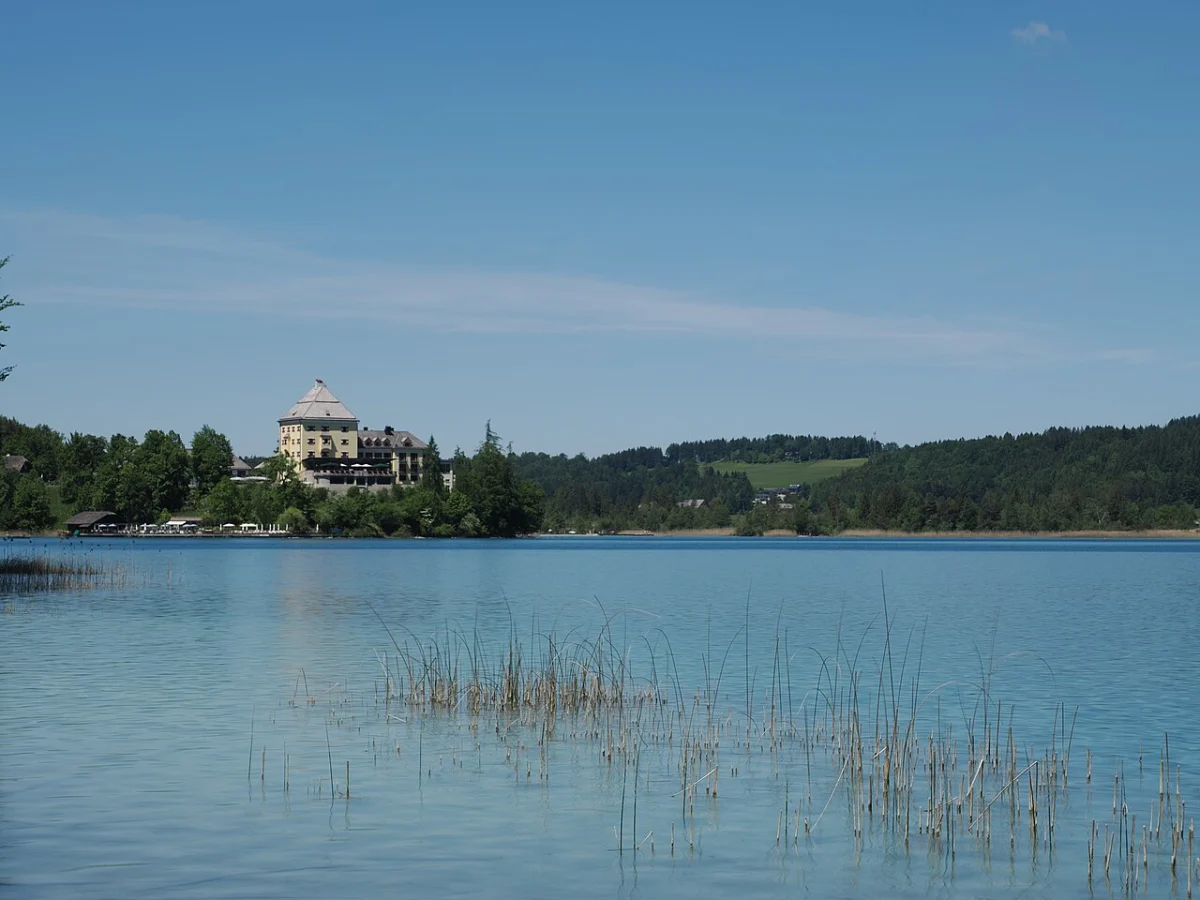
Rosewood Schloss Fuschl is the move if you want the Festival by night and a lake by day. The restored 15th-century castle reopened in 2024 with 98 rooms, suites, and chalets, an Asaya spa, and a private stretch of Lake Fuschl about a 25-minute drive east of the city. You trade a little convenience for swimming before breakfast and a garden to decompress in between a matinee and an evening opera — the Salzkammergut lake district is one of Europe's great warm-weather resets, in the same register as the region's classic spa towns.
How do you do it like a regular?
Regulars build the day around two performances and treat the gaps as the good part. A concert matinee, a long lunch, a nap, then a premiere at seven is the classic rhythm. Pre-order your interval drinks before the performance starts — the terraces at the Festspielhaus sell out the champagne, and a reserved tray waiting at the bell is the oldest trick in Salzburg.
On dress: evening opera premieres are black tie in practice if not in writing, and people take it seriously — dark suit at the absolute minimum. Daytime concerts and Jedermann are far more relaxed. Book restaurants before you arrive, not on the day; the good tables vanish for the whole run. And leave one afternoon unscheduled for the coffee houses — Tomaselli, where locals have argued over newspapers for three centuries, is the correct place to do nothing.
What You Actually Want to Know
When is the Salzburg Festival in 2026? The summer Festival runs July 17 to August 30, 2026, with a separate Whitsun program held over the long weekend in late May.
Is it worth going if you're not an opera expert? Yes. Start with Jedermann on the Domplatz and one orchestral concert — both are spectacular even if you've never sat through a full opera. The setting does half the work.
Are tickets sold out? The main premieres sell through early, but daily returns, verified resale, and single seats for concerts and drama make a well-planned trip very doable — especially with an advisor who holds Festival relationships.
What should I wear? Black tie or a dark suit for evening opera premieres; smart-casual is fine for daytime concerts and Jedermann.
Which hotel is best? Goldener Hirsch for walking distance and the bar scene, Hotel Sacher for grandeur on the river, Rosewood Schloss Fuschl if you want a lake and a spa 25 minutes out.
The Salzburg Festival rewards the traveler who plans it like a local and the one who arrives with the right doors already open. Every itinerary Noon builds starts with one conversation — not a template. Start yours.
Plan Your Next Journey
Work with a Noon Travel advisor for a trip that exceeds every expectation.
Get Started