The short version
Europe's longevity retreats aren't spas — they're medical clinics that happen to sit on a lake. Clinique La Prairie invented the category in 1931; Chenot, SHA, Lanserhof, Palazzo Fiuggi and Vivamayr each run it differently. Book Clinique La Prairie or SHA for diagnostics, Chenot or Lanserhof for a hard detox, and Vivamayr for the Mayr cure at its source.
There is a specific kind of Swiss building that looks like a discreet private hospital crossed with a five-star hotel. Inside, a doctor is reading your blood work while a chef plates a 300-calorie lunch and someone runs your fitness numbers on a treadmill. This is not a spa. Nobody is here for a facial and a glass of prosecco.
Longevity retreats are the fastest-growing corner of luxury travel, and Europe is where the category was invented and still does it best. The good ones are medical clinics that happen to sit on a lake, run by people who take biological age seriously and will tell you, in numbers, how you are doing. The difference between them is not the thread count. It is the method — and the method is the entire point.
Here are the six in Europe worth building a trip around, what each one actually does, and how to work out which is yours.
What a longevity retreat actually is — and isn't
Strip away the marketing and three things are going on at any of these places: diagnostics (they measure you — bloods, body composition, sometimes epigenetic and gut testing), intervention (a restricted diet plus treatments, from IV drips to cryotherapy to manual therapy), and education (you leave knowing what to change). A spa relaxes you for a weekend. A longevity clinic runs you through a program of five nights to three weeks and sends you home with a plan and a follow-up.
The stays are not cheap and they are not always comfortable. Calories are low, phones are discouraged, and the first two days can feel like withdrawal. That is normal, and at the better clinics it is the sign the thing is working. If you want a soft, pampering week, book a resort. If you want to actually move your numbers, book one of these.
Clinique La Prairie, Switzerland: for the original, done at the top
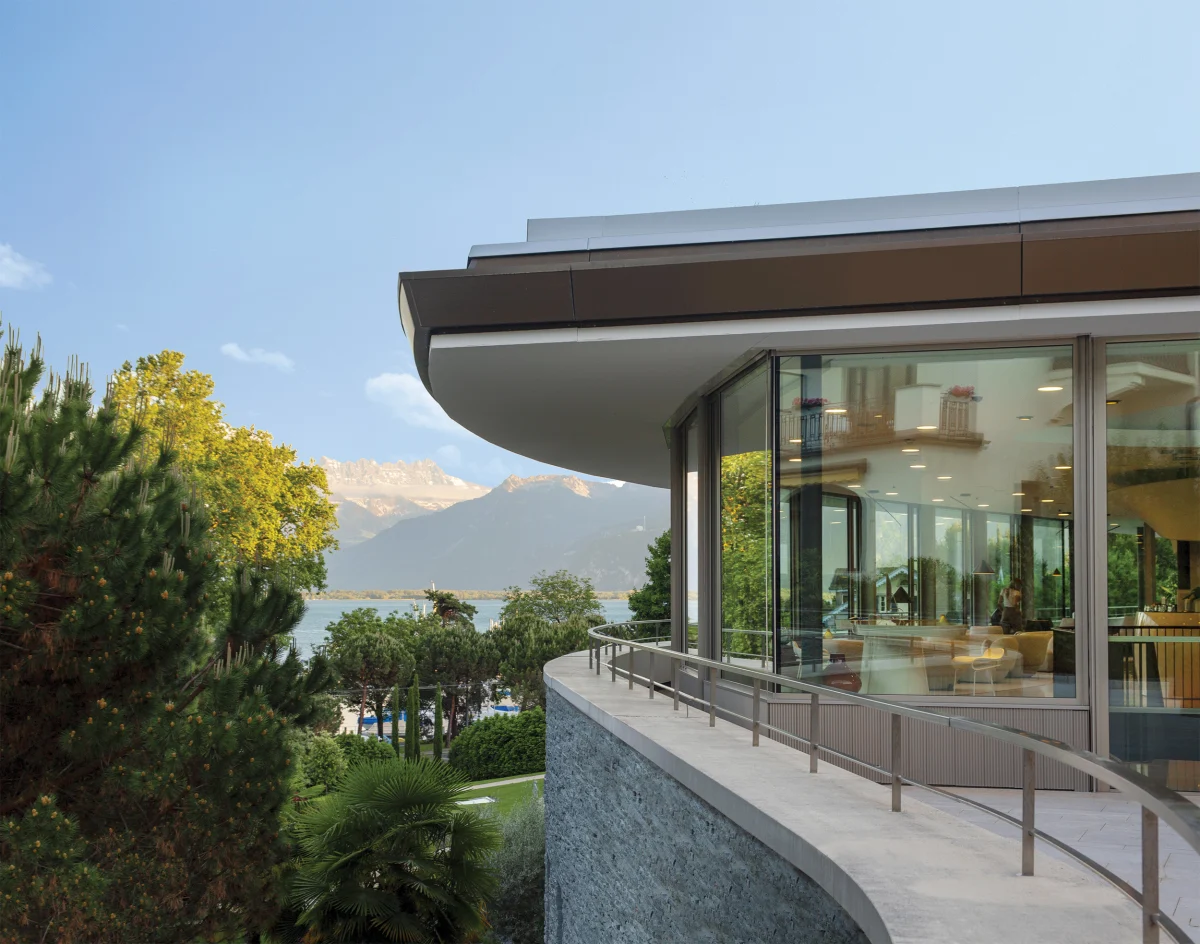
The one that started it all. Clinique La Prairie opened above Montreux on Lake Geneva in 1931, when Dr Paul Niehans began treating patients with fresh-cell therapy — discreet enough that his client list reportedly ran to heads of state and a pope. Nearly a century on, it is still the reference point for the whole category, and still the most polished.
The signature is the Revitalisation program: seven days (six nights) pairing a full medical work-up with the clinic's cellular-nutrition protocol, from CHF 31,800. There are four other tracks — Master Detox, Life Reset, Brain Potential and Healthy Weight — plus a stand-alone Health Diagnostic run by a panel of more than 50 specialists. With only around 39 rooms split between the modern Chateau and the historic Residence, it never feels like a hospital. If it is your first serious longevity stay and budget is not the constraint, start here; ask for a Chateau room for the lake.
Chenot Palace Weggis, Switzerland: for the hard detox

If Clinique La Prairie is the grande dame, Chenot is the drill sergeant. On the shore of Lake Lucerne facing Mount Rigi, this 97-room palace is the home of the Chenot Method — half a century of detox protocols built around a plant-based diet of roughly 850 calories a day, energetic and hydrotherapy treatments, and a 5,000-square-metre medical spa with a cryochamber that runs to minus 110°C.
The core Advanced Detox week starts around CHF 5,500 for the program before your room; the deeper Prevention & Ageing Well track runs to about CHF 7,100. People come back to Chenot every year and talk about it the way marathoners talk about training camps. It is genuinely restrictive — go in wanting the reset, not the room service — and you tend to leave several pounds lighter and unreasonably clear-headed.
SHA Wellness Clinic, Spain: for the Mediterranean approach

SHA sits in white, terraced tiers above the sea at El Albir on the Alicante coast, and it is the warmest of the group in every sense. The SHA Method blends Western diagnostics with natural therapies, macrobiotic-leaning nutrition and a heavy dose of preventive, well-ageing medicine — less monastic than the Swiss clinics, more sun and sea.
The Advanced Longevity program is built specifically around biological age: seven days from EUR 7,500, or a fuller fourteen from EUR 12,900, with the full battery of tests and a plan to take home. Choose SHA if you want the medicine without the Alpine severity — a place where the protocol is serious but you can still walk the coast between consultations. (There is now a SHA in Mexico too, but Spain is the original and the one to book.)
Lanserhof Tegernsee, Germany: for the modern Mayr cure
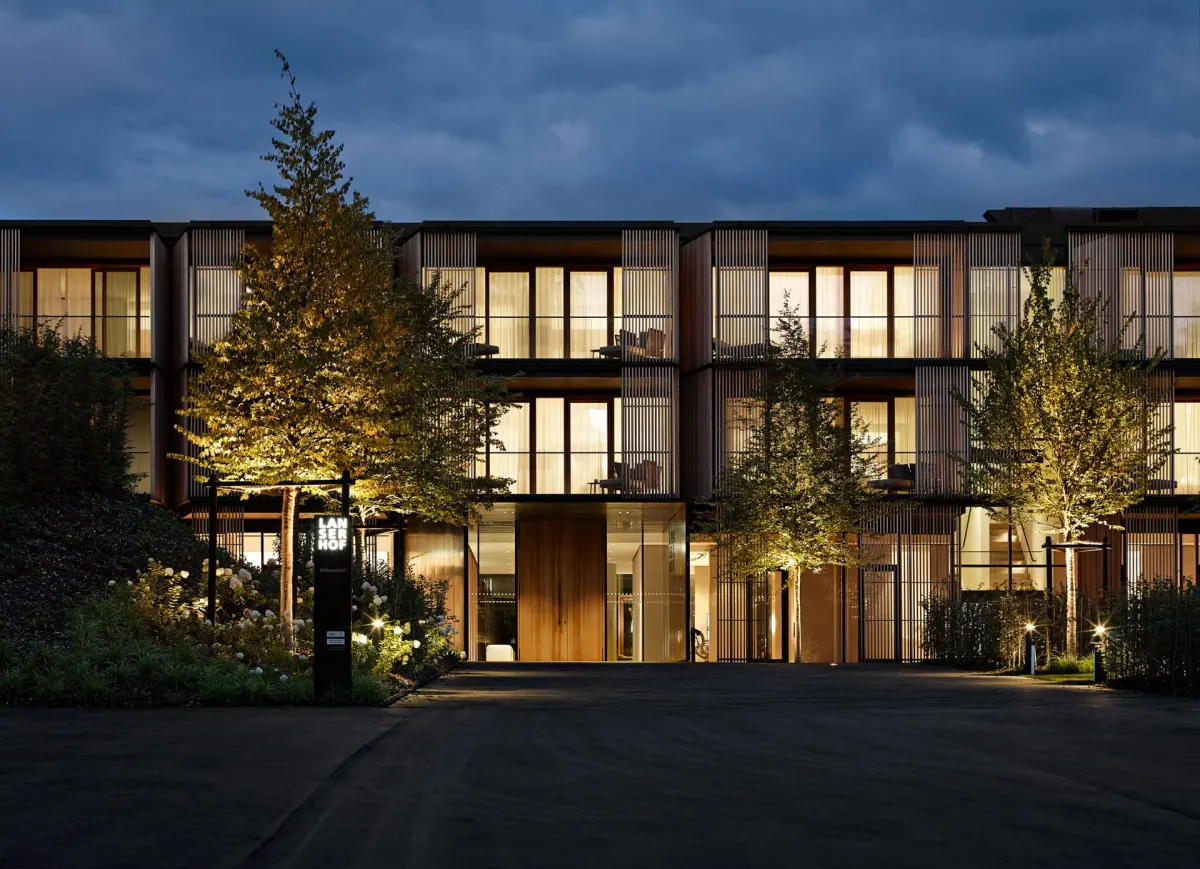
Lanserhof is what happens when you give Modern Mayr medicine a serious architect. The Tegernsee flagship, a long larch-clad building in the Bavarian foothills, runs the LANS Med Concept: F.X. Mayr's gut-focused cure — slow, deliberate eating and digestive rest — layered with naturopathy and a deep diagnostic suite. The result is precise, quiet and a little clinical, in the best way.
Programs run seven, ten, fourteen or twenty-one nights, and for 2026 Lanserhof has added its first four-day Short Stays for people who cannot disappear for a fortnight. It is the most medical-feeling of the six and the one the truly time-poor tend to choose. There are sister houses on the island of Sylt and at Lans in Tyrol if the dates work better.
Palazzo Fiuggi, Italy: for the medical stay that still feels like Italy
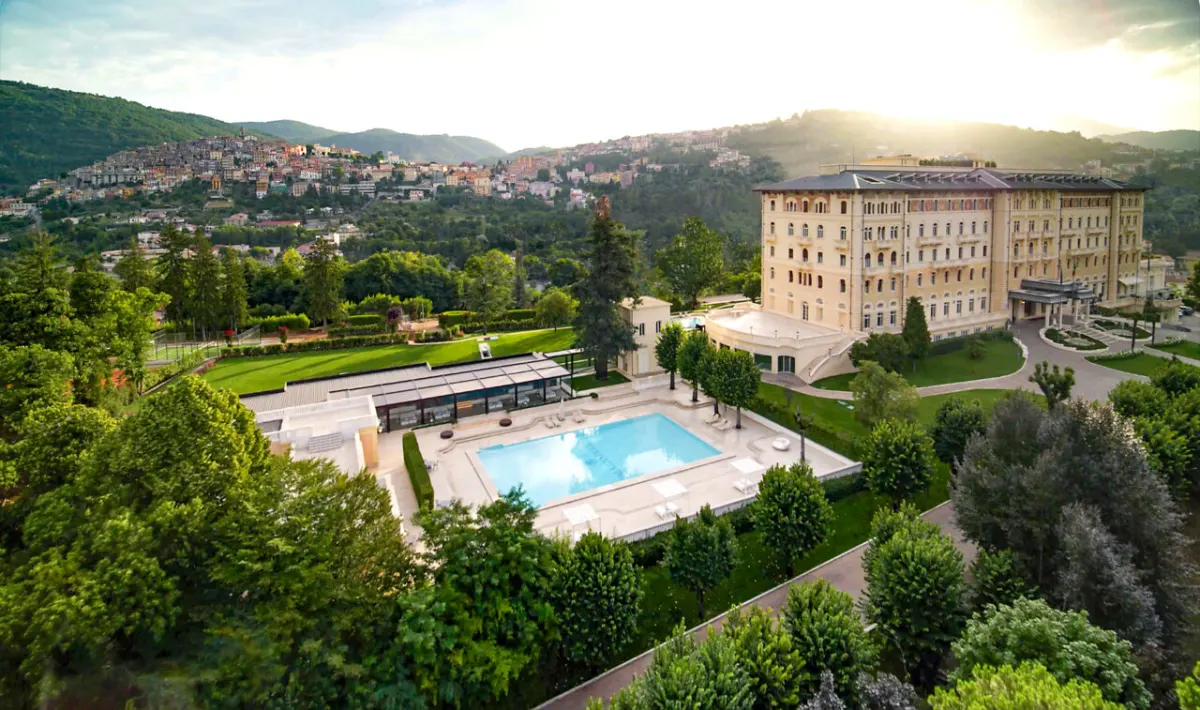
An hour from Rome, in a town whose mineral water has been prescribed for centuries, Palazzo Fiuggi is a grand 1920s hotel turned medical retreat — 102 rooms, a 6,000-square-metre spa and a 700-square-metre Roman bath. It is the most beautiful building on this list and the easiest to reach if you are already in Italy.
The medicine is real: five programs, from Deep Detox to the flagship Complete Life Rewind, under scientific director Prof. David Della Morte Canosci, with restricted, therapeutic menus designed by Heinz Beck of Rome's La Pergola. That last part matters more than it sounds — this is the clinic where the reduced-calorie food is worth looking forward to. Book Fiuggi if you want the diagnostics and the diet without giving up the pleasure of being in Italy.
Vivamayr Maria Worth, Austria: for the purist

On a spit of land in Lake Worthersee in Carinthia, Vivamayr Maria Worth is small — 46 rooms — and it is the birthplace of Modern Mayr Medicine, the gut-first approach the whole Mayr world descends from. This is the purist's choice: intensely medical, gently paced, and centred on the unglamorous but effective work of fixing how you digest.
Expect abdominal treatments, base-balancing food, chewing drills and a great deal of still water, in a setting so calm it barely registers as a clinic. It is an easy 20 minutes from Klagenfurt and under an hour from Ljubljana. Come here if you have done the flashier places and want the method at its source, without the spectacle.
So which one should you actually book?
For your first serious stay: Clinique La Prairie or SHA — full diagnostics, a softer landing, a plan to take home.
For a genuine, no-excuses detox: Chenot Palace Weggis. Hardest diet, biggest transformation, most repeat guests.
For the deepest medicine in the least time: Lanserhof Tegernsee, especially the new four-day Short Stay.
For the Mayr cure at its source: Vivamayr Maria Worth.
For a medical reset you will actually enjoy: Palazzo Fiuggi, near Rome.
They also cluster by mood. The Swiss and German clinics are precise and serious; SHA and Fiuggi are warmer and easier on the senses; Vivamayr is the quiet purist. If your goal is simply a restorative week rather than a medical program, that is a different trip — our guides to Europe's great spa towns and the best wellness resorts in the U.S. are the better starting point. And if all of this is really about doing less, more quietly and more expensively, that is its own movement — see quiet luxury travel.
What You Actually Want to Know
How much does a week really cost? Program fees run from roughly CHF 5,500 at Chenot to CHF 31,800 for Clinique La Prairie's Revitalisation week; SHA's Advanced Longevity is EUR 7,500 for seven days. Rooms, treatments and add-ons sit on top, so a full week lands anywhere from about EUR 8,000 to well past EUR 40,000 depending on the clinic and the program.
How long should I go? Five to seven nights is the realistic minimum to feel a difference; the classic Mayr and detox cures are designed around seven to fourteen. Lanserhof's new four-day Short Stay is the exception for the time-poor.
Is it a holiday or is it hard? Hard, at least at first. Calories are low and the first 48 hours can be rough. By day four most people feel remarkably clear. Chenot and Lanserhof are the strictest; SHA and Fiuggi are the gentlest.
Will I actually see results? You will leave lighter, and you will leave with data — bloods, body composition, biological-age markers — plus a plan. The lasting benefit comes from what you change at home; the clinic is the reset, not the cure.
When is the best time to go? January and September are the popular reset windows and book out first. Late spring and autumn are quieter and, at the lakeside clinics, the prettiest. Reserve the room and program dates together — the best combinations go months ahead.
Can an advisor actually help? Yes. The right room category, program slots that sell out, transfers and partner value are the whole game here. It is exactly the kind of booking where an advisor earns their keep.
These are not interchangeable, and the wrong match is an expensive week of discomfort with no payoff. Tell Noon's advisors what you are actually trying to fix — sleep, weight, stress, a birthday with a scary number — and they will point you to the right clinic and the right week. Start the conversation.
Plan Your Next Journey
Work with a Noon Travel advisor for a trip that exceeds every expectation.
Get Started