The short version
Singita is a safari and conservation brand founded by Luke Bailes in 1993. Its model keeps guest numbers low and prices high, channeling revenue into anti-poaching, wildlife research, and habitat restoration. Today it helps protect roughly a million acres across four African countries and is a pioneer of luxury ecotourism.
In 1993, the idea sounded reckless. Use the money from a handful of high-paying travelers to bankroll the protection of African wilderness, and trust that the wilderness would pay you back. Most of the industry assumed the opposite: that tourism wore land down, and that conservation was a cost you covered with grants and goodwill, not a business you could actually run.
Luke Bailes did not see it that way. That year he opened a single lodge, Singita Ebony, on a stretch of family land in South Africa's Sabi Sand that his grandfather had bought decades earlier. The wager underneath it was simple and, at the time, close to heretical: keep guest numbers low, charge a serious price, and pour the revenue straight back into protecting the land and the animals on it.
Thirty years later, the bet has an answer. Singita now helps safeguard around a million acres of African wilderness, and the model it pioneered, that high-end tourism and conservation can fund each other, has become one of the most quietly influential ideas in modern travel.
What Was Singita's Radical Bet?
The mechanics were never complicated. Cap the number of beds on a vast piece of land, price the experience for travelers who can pay for rarity, and treat the resulting revenue as conservation funding rather than profit to be extracted. Singita describes it as a 100-year purpose, and the framing matters: this was never built to flip. It was built to hold ground for a century.
What made it radical in the early 1990s was the inversion at its center. Tourism was widely treated as a threat to fragile ecosystems. Singita argued it could be the thing that paid to defend them, so long as you kept the footprint small and the value high. Fewer guests, more wilderness per guest, and every booking helping fund the rangers, researchers, and reserve teams working out of sight.
Can High-End Tourism Really Pay for Conservation?
Singita's answer is a flywheel. The more wildlife that survives, the more extraordinary the safari becomes. The more extraordinary the safari, the more it is worth, and the more revenue flows back into protecting the land. Each turn strengthens the next.
That revenue does unglamorous, essential work. Guest income helps fund anti-poaching units and canine teams, round-the-clock wildlife monitoring, ecological research, habitat and species restoration, and the day-to-day cost of managing enormous reserves. Working alongside a network of regional non-profit partners, the company is now a custodian of roughly a million acres across six ecosystems and four countries: South Africa, Tanzania, Zimbabwe, and Rwanda.

The Proof Is in the Grumeti
If you want the clearest evidence the system works, go to Tanzania. Singita's concessions in the Grumeti, in the western corridor of the Serengeti, cover some 350,000 acres that form a critical buffer for the wider ecosystem and the Great Migration that moves through it. When the Grumeti Fund took over management in 2003, the area was badly degraded by years of illegal hunting, fire, and invasive growth.
The turnaround has been dramatic. Buffalo, wildebeest, and elephant populations rebounded, and in 2019 the Fund carried out the largest single reintroduction of critically endangered Eastern black rhino in the region, returning nine of the animals to the landscape. A team of roughly a hundred game scouts now patrols the reserve. The wildlife came back, and as it did, the safari became one of the most coveted in Africa, which in turn funded more protection. The flywheel, made visible.
What About the People Who Live There?
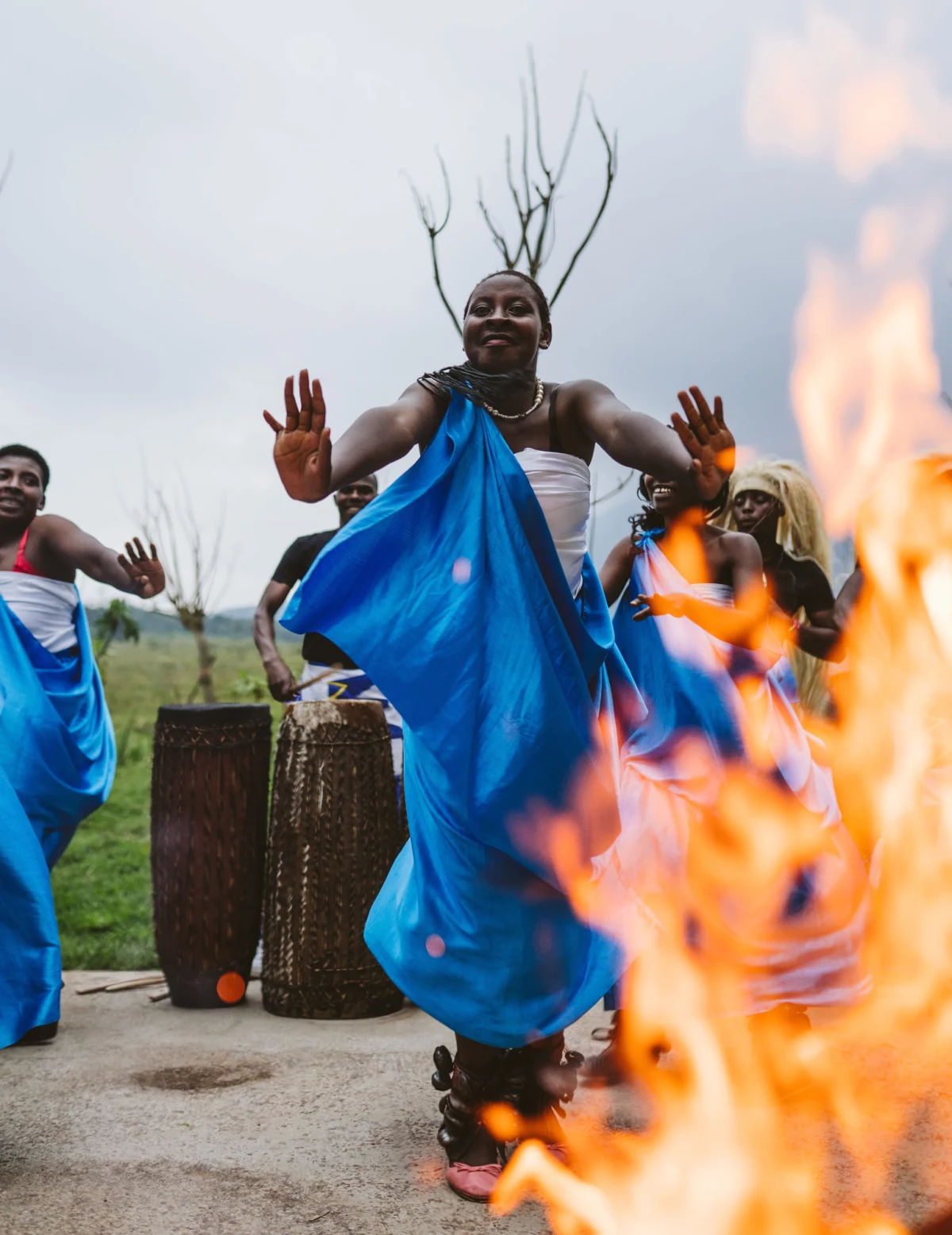
A reserve cannot be defended in isolation from the communities around it, and Singita treats community work as one of its three core pillars alongside biodiversity and sustainability. The investment runs through education, professional skills development, job creation, and rural enterprise, on the logic that wilderness only stays protected when the people living beside it have a real stake in its survival.
One of the most visible expressions is the Serengeti Girls Run, an annual event in which women run for several days across Singita Grumeti's private Serengeti concession, alongside the anti-poaching scouts, to raise funds for programs that open opportunities for young women in the region. It is conservation and community framed as the same project, because at Singita they are.
Where Does the Model Go Next?
Singita's growth has stayed deliberately slow, the brand's own rule being to add a property only when it is as good as or better than what already exists and serves the larger conservation goal. Recent expansion took it into Botswana's Okavango Delta with Singita Elela. The next frontier is bolder still: a roughly 102 million dollar project in Mozambique's Bazaruto Archipelago, including a lodge on Santa Carolina Island and a mainland marine research center, marking Singita's first move into protecting a marine, rather than terrestrial, ecosystem.
The throughline is consistency. Whether the landscape is savanna, rainforest, or a coral archipelago, the proposition holds: a small number of guests, a serious price, and the wilderness funded by the people who come to witness it.
Where Can You Experience Singita?
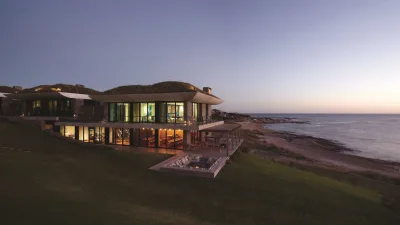
The portfolio spans 19 lodges, camps, and private-use villas. In South Africa, Singita Ebony and Boulders sit in the Sabi Sand, with Lebombo and Sweni in the Kruger National Park. In Tanzania, Sasakwa, Faru Faru, and the tented camps of the Grumeti put you inside the Serengeti. Pamushana anchors the Malilangwe reserve in Zimbabwe, while Kwitonda sits on the edge of Rwanda's Volcanoes National Park, gorilla country.

Each delivers the polish you would expect at the price, but the more interesting fact is what the price is doing. Choosing where to go, and when, is where an advisor earns their keep; for a wider view of the continent's best camps, see our guide to the Kenya safari camps worth the flight.
What You Actually Want to Know
Who founded Singita and when?
Luke Bailes founded Singita in 1993, opening its first property, Singita Ebony Lodge, on family land in South Africa's Sabi Sand. He remains the company's founder and executive chairman; Jo Bailes is CEO.
How does Singita fund conservation?
By keeping guest numbers low and prices high, then channeling revenue into anti-poaching teams, wildlife monitoring, research, and habitat restoration, in partnership with regional non-profit conservation funds.
How much land does Singita help protect?
Around a million acres across six ecosystems and four countries: South Africa, Tanzania, Zimbabwe, and Rwanda, with newer projects in Botswana and Mozambique.
What is the Serengeti Girls Run?
An annual multi-day run across Singita Grumeti's private Serengeti concession that raises funds for education and empowerment programs for young women in the region.
Singita is the kind of trip where the details, which reserve, which season, which camp, decide everything. Noon's advisors have placed travelers across these lodges and know how the pieces fit. Tell us where you want to go.
By Amelia Ingram | June 8, 2026
Plan Your Next Journey
Work with a Noon Travel advisor for a trip that exceeds every expectation.
Get Started