Morocco is a destination where timing is everything. Arrive in August and the heat makes the medinas difficult. Arrive in January and the gardens haven't turned. March is the precise window where the country runs at its best — and the best hotels in Marrakech know it.
TL;DR: March is the exact window when Morocco operates at its best — warm enough to move freely, cool enough to actually enjoy it, and empty enough that the great riads and palaces haven't been overrun. The hotels are firing on all cylinders. The gardens are in bloom. This is the month.
Marrakech in July is a test of endurance. The medina temperature sits above 38°C, the air is still, and the Jardin Majorelle — normally one of the most striking gardens in Africa — becomes a crowded greenhouse. March is the opposite: 22°C during the day, evenings that require a light jacket, and a city that's fully alive without being suffocating. The orange blossom is starting. The roses are opening. And the great hotels have availability, because most of the world hasn't figured this out yet.
@travelwithnoon put it plainly in their March Morocco post: "March, prime time in Morocco." That's not marketing copy. It's a precise observation backed by three years of sending travelers there and watching the ones who go in June suffer through the heat while the March guests never want to leave.
Is March the Best Time to Visit Morocco?
Yes — and the gap between March and second-best is significant. April comes close, but Marrakech school holidays can push crowds up noticeably in the second half. October is a strong alternative. But March is the moment when the Atlantic weather patterns give the country its most consistent temperatures — Atlas Mountain snowcap still dramatic, medina streets cool enough to walk for hours, and none of the oppressive heat that defines July and August.
The Atlas Mountains deserve particular attention in March. From Marrakech, you can be in Imlil in under two hours — and with the peaks still dusted in snow, the contrast with the city's warm pinks and terracottas is genuinely arresting. Day trips into the mountains belong on every March itinerary. So does the road south toward Ouarzazate and the Draa Valley, where the almond blossom has often already come and gone, leaving behind a landscape of subtle colors and near-total quiet.
Which Hotels in Marrakech Are Worth the Rate?
The short answer: Royal Mansour and Mandarin Oriental are in a category of their own. Everything else is a grade below — not necessarily worse, but different.
Royal Mansour Marrakech is one of the finest hotels in the world by any objective measure. Built on the orders of King Mohammed VI and operated with a rigor that most luxury hotels only aspire to, it consists entirely of private riads — each with its own plunge pool and rooftop terrace. The staff-to-guest ratio is extraordinary. The food, particularly at La Grande Table Marocaine, is serious. This is not a hotel you leave during the day; it's a destination in itself. The garden, which peaks in March, is reason enough.
Mandarin Oriental Marrakech plays a different game: a 50-acre olive grove setting, a wellness program that's among the strongest in Africa, and a design that feels integrated with the landscape rather than imposed on it. For travelers who want a resort experience rather than a medina immersion, it's the correct choice. The Atlas views from the pool in March — snow on the peaks, clear sky — are exceptional.
La Mamounia is the third pillar — and arguably the most storied hotel in Africa. A Forbes Travel Guide Four-Star property set within 20 acres of walled gardens that were originally gifted by Sultan Sidi Mohammed Ben Abdallah to his son in the 18th century, La Mamounia has been hosting the world's most discerning travelers since 1923. Winston Churchill painted here repeatedly and called it "the most lovely spot in the whole world." The Churchill Bar is named for him. The dining program includes L'Italien and L'Asiatique, both overseen by Jean-Georges Vongerichten — serious cooking in a setting that makes the meal feel like an occasion. The March timing is particularly relevant here: the orange trees, rose bushes, palms, and cacti that fill the grounds peak in late winter and early spring. Walk the gardens before breakfast. It's worth the rate alone.
La Sultana Marrakech sits inside the medina itself, occupying five historic riads connected through a series of courtyards and rooftop terraces. It's a more intimate operation — 28 rooms — with the kind of character that larger hotels can't manufacture. The spa, built beneath the oldest riad, uses traditional hammam techniques that aren't performative; they're practiced. March evenings on the rooftop, with the call to prayer drifting in from the Kasbah mosque, are not something you recreate elsewhere.
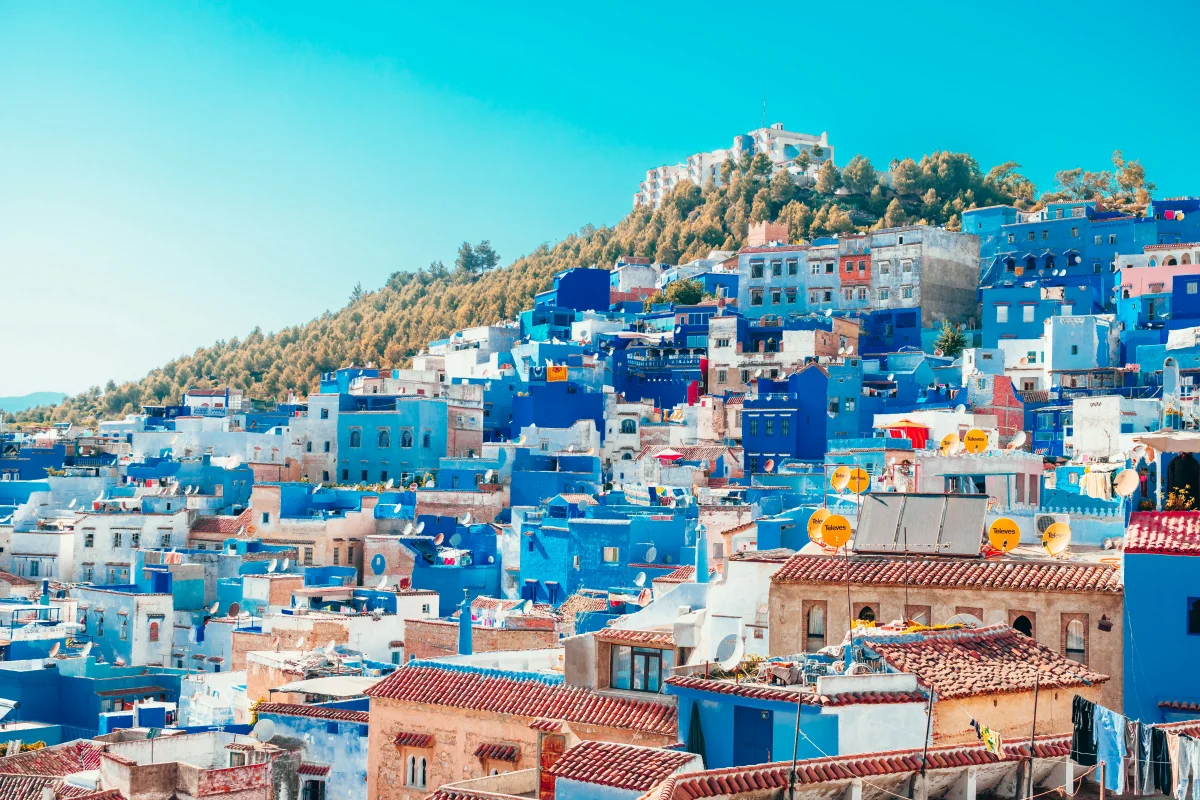
Morocco's second city — or rather, its first, historically — is Fes, and a properly planned March trip should include it. The medina of Fes el-Bali is a UNESCO World Heritage site and one of the densest urban environments on earth. Navigating it well requires a guide who knows it personally, not an app. The Sofitel Fes Palais Jamai, positioned at the edge of the medina, offers an 11th-century palace that has been operating as a hotel since 1879. March is when the palace garden is at its absolute best.
For travelers extending to the coast, Conrad Rabat Arzana brought the brand's cleaner, more contemporary aesthetic to Morocco's administrative capital. Its position above the Atlantic — dramatic cliffs, the ruins of the Kasbah of the Udayas visible from several rooms — gives Rabat a cinematic quality that the city's reputation doesn't quite prepare you for. Royal Mansour Casablanca, the brand's urban property, is for nights in the commercial capital: sleek, precise, and close enough to the old medina for an evening walk that resets any expectation you had about Casablanca from the film.
Morocco shares a certain travel DNA with Egypt — both reward travelers willing to move beyond the obvious. If the ancient world is part of your itinerary, Noon's Egypt travel guide covers how to approach it at the same level.
What You Actually Want to Know
Do I need to stay in the medina to get the full Marrakech experience?
No — but you need to spend real time there. Staying in a riad inside the medina gives you the atmospheric advantage of being embedded in it. Staying at Mandarin Oriental or Four Seasons (both outside) gives you space, quiet, and a pool worth using. The right answer depends on your travel style. Most first-time visitors do better in the medina; experienced Morocco travelers often prefer the relief of space.
Is Morocco safe for luxury travelers in March?
Yes. Morocco has one of the most stable tourism infrastructures in North Africa, and the great hotels operate with international-standard security. The medina does involve navigating aggressive vendor approaches in certain areas — having a guide or knowing which routes to take is the practical solution, not a reason to avoid it.
How many days does Morocco need?
A week is the minimum for Marrakech plus one secondary destination (Fes, the Atlas, or the coast). Ten days allows you to do Marrakech properly, add Fes, and either drive the desert road south or spend two nights on the Atlantic coast. Anything under five nights in Marrakech leaves you feeling like you've grazed the surface.
What's the dress code for the medina?
Shoulders and knees covered is the standard for both men and women in medina streets and religious sites. At the great hotels, dress codes are western-luxury standard for dinner; poolside and spa are unrestricted. Morocco is not as strict as Gulf states, but visible cultural respect in public spaces is noted and appreciated.
Can I book Royal Mansour directly or through a travel advisor?
Both work. A travel advisor with a Royal Mansour relationship can often secure room upgrades, amenity credits, and early check-in that aren't available through direct booking. If this is your first stay, the advisor route pays for itself.
Planning a March Morocco trip takes more precision than most travelers realize — the right hotel, the right routing, the right dates. Noon has done this trip repeatedly and knows exactly where the margins are. Reach out before March 2027 fills up the same way March 2026 did.
By Amelia Ingram
Plan Your Next Journey
Work with a Noon Travel advisor for a trip that exceeds every expectation.
Get Started