The problem with Egypt isn't the destination. It's the itinerary. Most travelers arrive with one or two landmarks in mind, loop through Cairo and Giza, and leave having missed the country entirely. Egypt is large enough, diverse enough, and historically layered enough to be treated as six distinct destinations — all within one border.
TL;DR: Egypt isn't a destination — it's six of them. Cairo for culture. Giza for history. Luxor for temples. Aswan for the Nile. Siwa for the desert. Marsa Alam for the sea. Most travelers see one or two and call it done. The full itinerary takes twelve to sixteen days and covers more ground — geographically and experientially — than most two-week trips anywhere on earth.
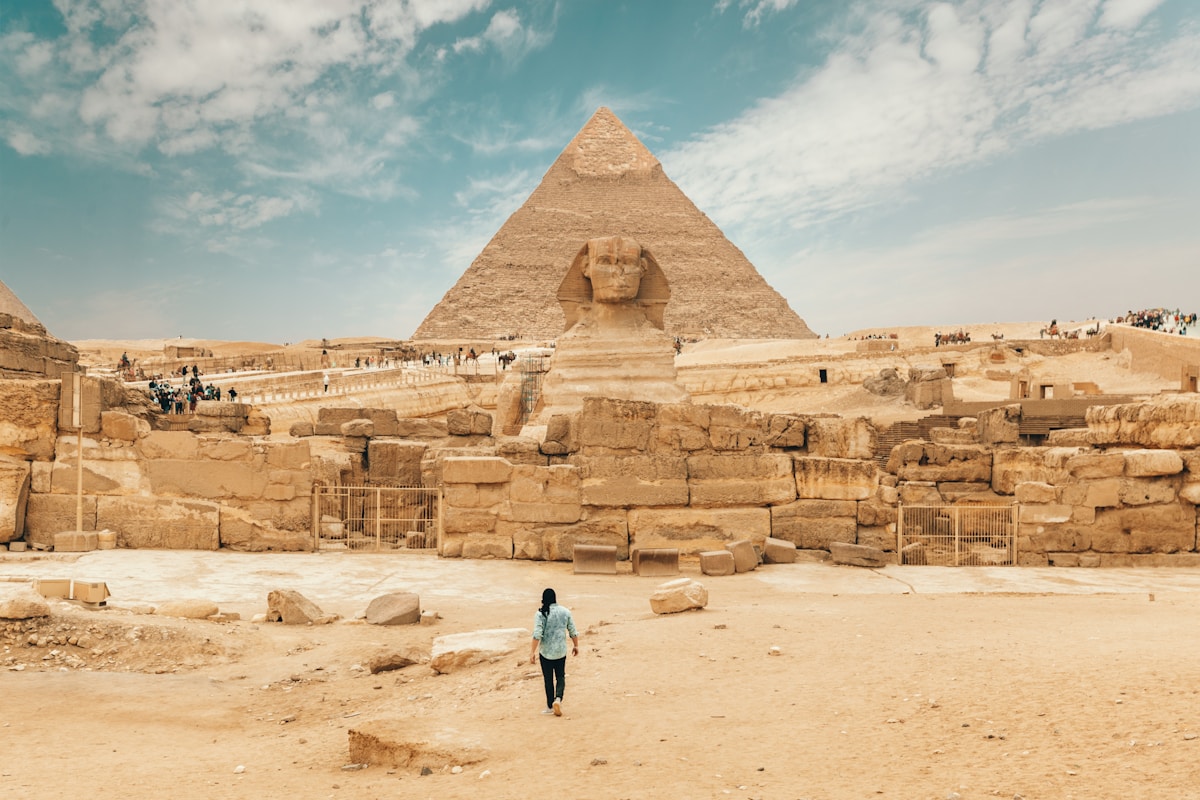
The Sphinx looks west. There's something deliberately confrontational about that — 4,500 years of accumulated civilization facing the desert horizon, not the Nile, not Cairo, not the cameras. Standing in front of it for the first time, most people realize that nothing they read, watched, or studied prepared them for the actual scale. The pyramids are bigger than expected. Egypt is bigger than expected. And it runs in six completely different directions from the plateau at Giza.
This was the first observation we posted when Noon launched its Egypt programming — the Sphinx and the pyramids as a starting point, not a destination. And as we've traveled the country since, the framework has only gotten more accurate.
What is the best luxury itinerary for Egypt?
Twelve to sixteen days, six regions, structured around a Nile cruise between Luxor and Aswan as the itinerary's spine. The sequence that works: Cairo and Giza first (3–4 nights), then fly to Luxor, board a luxury Nile cruise to Aswan (3–4 nights), fly or overland to Siwa Oasis (2–3 nights), then finish at Marsa Alam on the Red Sea (3–4 nights).
That's five of the six in a single trip. Giza is embedded in the Cairo section. The arc moves from urban to ancient to extreme wilderness to sea — which is also the emotional arc most travelers report: intellectual engagement giving way to awe, giving way to silence, giving way to the specific pleasure of a warm sea after a lot of desert.
As we mapped out when we broke down Egypt's six completely distinct experiences on the feed, the country's diversity isn't a travel industry claim — it's a geographic fact that most itineraries fail to use.
Cairo and Giza: Where the Trip Starts
Cairo is a legitimate global city — 20 million people, a contemporary art scene, restaurants that would hold their own in any major capital, and a historic center dense enough to sustain days of walking. The Egyptian Museum of Civilization in Fustat and the Grand Egyptian Museum near the Giza plateau are both essential; the latter, completed in 2023, is now the largest archaeological museum in the world and houses the complete Tutankhamun collection.
Stay in Zamalek — the Nile island district — for the combination of calm and access. The Four Seasons Nile Plaza or Kempinski Nile Hotel both put you on the river in rooms that make the view part of the experience. Giza is 40 minutes by road; do it as an early morning excursion before the site gets crowded, ideally on day two before your eye adjusts to scale and the scale stops surprising you.
Three nights in Cairo is the minimum. Four lets you add the Khan el-Khalili bazaar, a proper dinner in Zamalek, and a slower start to the museum circuit. Rush it and you'll feel it.
Luxor and Aswan: The Nile Properly Done
Luxor has the highest concentration of ancient monuments per square kilometer on earth. The Karnak Temple Complex, the Valley of the Kings, the Temple of Hatshepsut — all within a morning's drive of each other, all genuinely overwhelming in the way that only the best-preserved ancient sites are. The West Bank, where the Valley of the Kings sits across the Nile from Luxor proper, has a silence in the early morning that the East Bank's temples don't quite replicate.
The Nile cruise between Luxor and Aswan is one of the better slow-travel experiences available to luxury travelers. The journey covers about 180 miles over three to four days, stopping at Edfu, Kom Ombo, and other temple sites along the way. The right vessel matters significantly — Oberoi Philae and A'sara Nile Cruise are among the best-appointed options, with small passenger counts, proper dining, and service that matches the setting.
Aswan is where the Nile narrows and the color of the water shifts. The Elephantine Island and the Old Cataract Hotel — where Agatha Christie wrote *Death on the Nile* in the 1930s — are the two anchors. The restored Old Cataract is a serious property: Nubian-style architecture, river-facing rooms, and a terrace bar where the light in late afternoon is exactly what it should be.
Siwa: The Desert Extreme
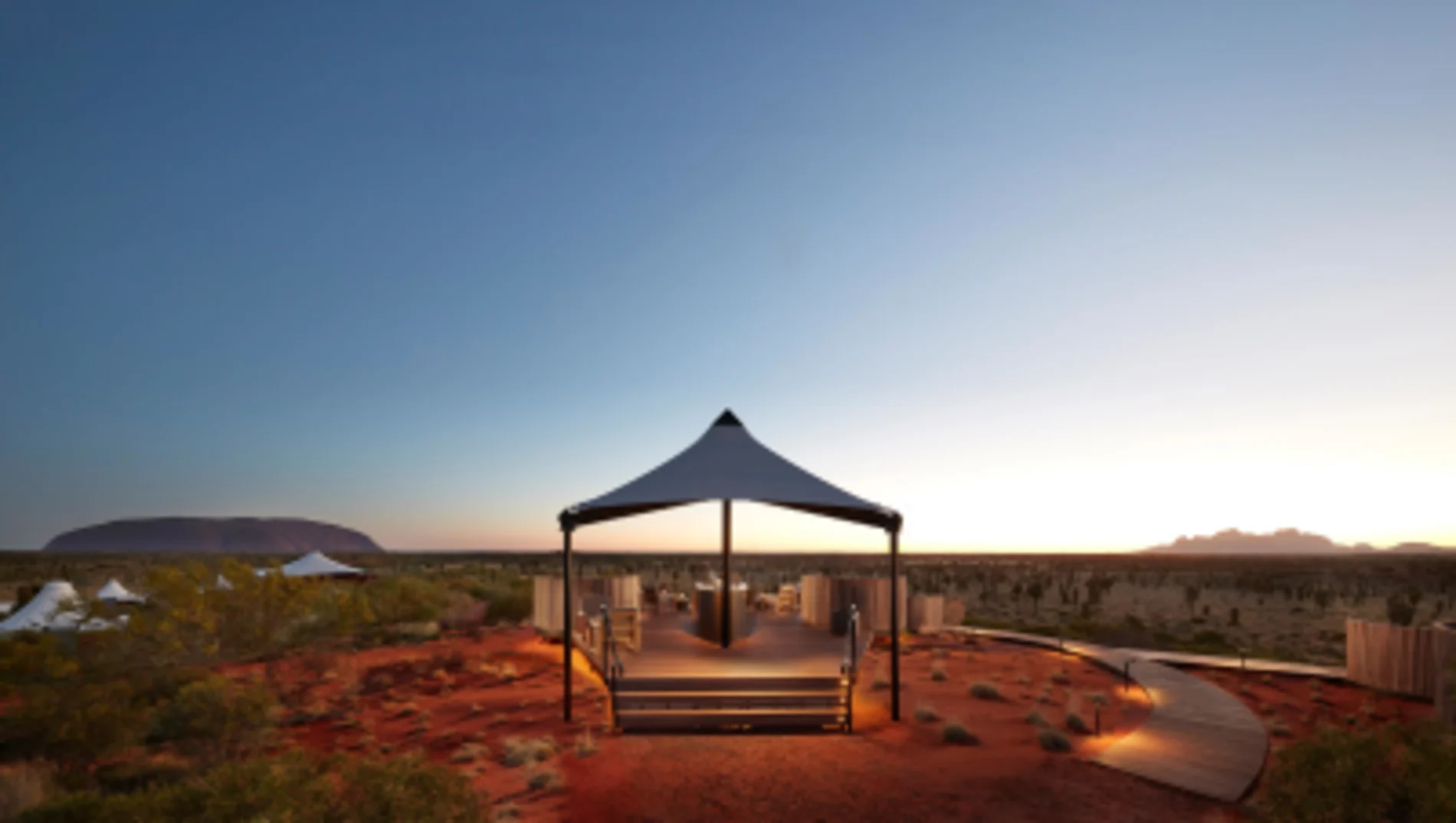
Siwa Oasis sits in Egypt's Western Desert, about 550 kilometers from Cairo — seven hours by road or a direct flight when seasonal air service operates. It is one of the more remote inhabited places in accessible North Africa, and it operates on a register completely different from the Nile corridor.
The oasis itself is green and spring-fed, surrounded by salt lakes and sand dunes that extend toward Libya. The ruins of the ancient Oracle Temple — where Alexander the Great consulted the oracle of Amun — sit above the town. The people are Berber; the language, traditions, and architecture are distinct from the rest of Egypt. Eco-lodges built from kershif (salt rock and mud) are the right accommodation choice: Adrère Amellal is the landmark property, a genuinely off-grid desert lodge with no electricity after dark and a silence that is, frankly, strange to encounter.
Siwa adds a dimension to an Egypt trip that the Nile circuit doesn't offer. It's not for every traveler — but for the traveler who wants the trip to include something that genuinely has no equivalent, it's the stop that does it.
Is Egypt Safe and Accessible for Luxury Travelers?
Yes — the tourist infrastructure across Egypt's main regions is well-developed and used regularly by international travelers from every major market. The logistics are manageable, the sites are extraordinary, and the payoff per travel day is higher than almost anywhere on earth.
Marsa Alam: The Red Sea Close
Marsa Alam is Egypt's least-crowded Red Sea resort area — south of Hurghada and Sharm el-Sheikh, with better reef health, fewer all-inclusive complexes, and a diving and snorkeling scene that the northern Red Sea coast has largely lost to development. House reefs off the better eco-lodges and small hotels here have intact coral, regular dugong sightings, and turtle populations that the overcrowded northern sites can't match.
The El Quseir area, just north of Marsa Alam proper, is where the best properties sit. Four to five days here — diving, snorkeling, a boat excursion to Elphinstone Reef — closes the itinerary at sea level, which is the best way to leave Egypt: warm, slow, and with the strange feeling that you've been to six different countries without crossing a single border.
Egypt rewards a planned approach, and travelers willing to go beyond the standard two-site pyramid visit discover one of the most diverse travel destinations on earth. If you're drawn to trips that cover real ground, Noon's guide to underrated travel destinations for 2026 maps several more.
What You Actually Want to Know
What is the best time to visit Egypt?
October through April. Egypt's summer (May–September) brings intense heat — Cairo regularly exceeds 40°C, and the desert sites become genuinely punishing. The winter months deliver cooler temperatures, clearer light, and more comfortable travel conditions across every region. Siwa and Marsa Alam are tolerable year-round, but plan the Luxor and Giza visits for the cooler season.
Do I need a visa to visit Egypt?
Most Western passport holders can obtain a visa on arrival or an e-Visa online before departure. The e-Visa process is straightforward and takes 48–72 hours. Check current requirements against your specific passport — policies update periodically.
Is Egypt safe for luxury travelers?
The tourist infrastructure in Egypt's main destinations is well-developed and regularly used by international travelers without incident. The standard traveler precautions apply. Noon advisors monitor current conditions and can give you an honest, up-to-date read on any specific region before you book.
What's the best Nile cruise line for luxury travelers?
Oberoi Philae and A'sara are the consistent top-tier options — small passenger counts, quality food, and itineraries that don't rush the temple stops. The river itself does the heavy lifting; the right boat just makes sure you're comfortable while it does.
Can I combine Egypt with another destination in the region?
Easily. Jordan (Petra, Wadi Rum), Morocco, and the UAE work well as neighboring extensions. The routing logic depends on airline connections, but Cairo is well-connected to most Middle Eastern and North African hubs. A Noon advisor can sequence the full itinerary so you're not building logistics from scratch.
Egypt is a country that rewards people who approach it with a plan. Talk to Noon before you book — we travel Egypt, know the Nile cruise operators, and can structure an itinerary that actually covers the country rather than checking the standard two boxes.
By Amelia Ingram
Plan Your Next Journey
Work with a Noon Travel advisor for a trip that exceeds every expectation.
Get Started